
La Bestia (2026)
La Bestia is inspired by the train with the same nickname that runs between the inlands of Mexico and the border of the United States, carrying multiple goods within and people on top, in search for a better life in the US, after travelling through the Darien Gap, one of the most dangerous migration routes in the world.
Battleground (2025)
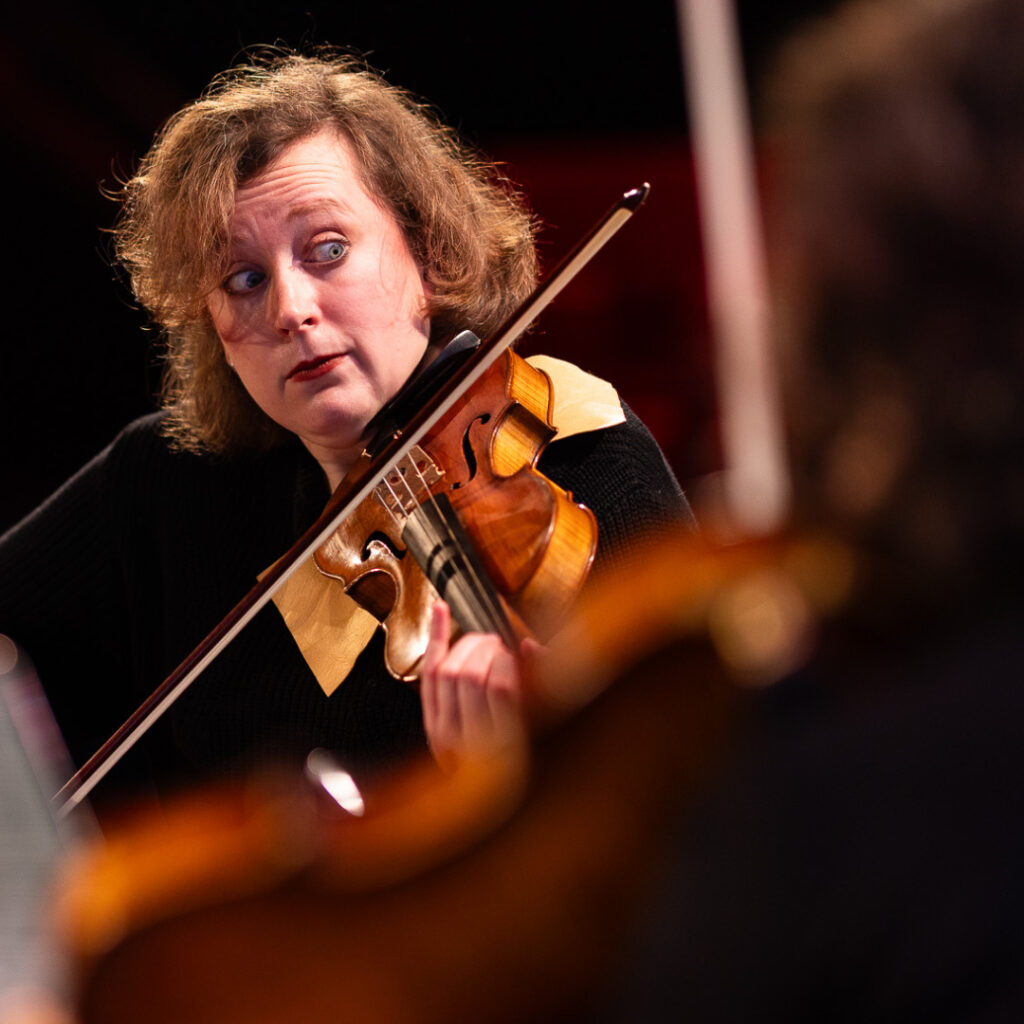
‘Battleground’ was part of the project ‘Een flat met 1000 ramen’ created for the String Quartet Biennal of 2025 in Amsterdam. In this project involved 6 composers who had been commissioned to compose a contemporary answer to Joseph Haydns six quartets, Opus 20, in combination with a narrative written by Joke van Leeuwen.
Hagar (2025)
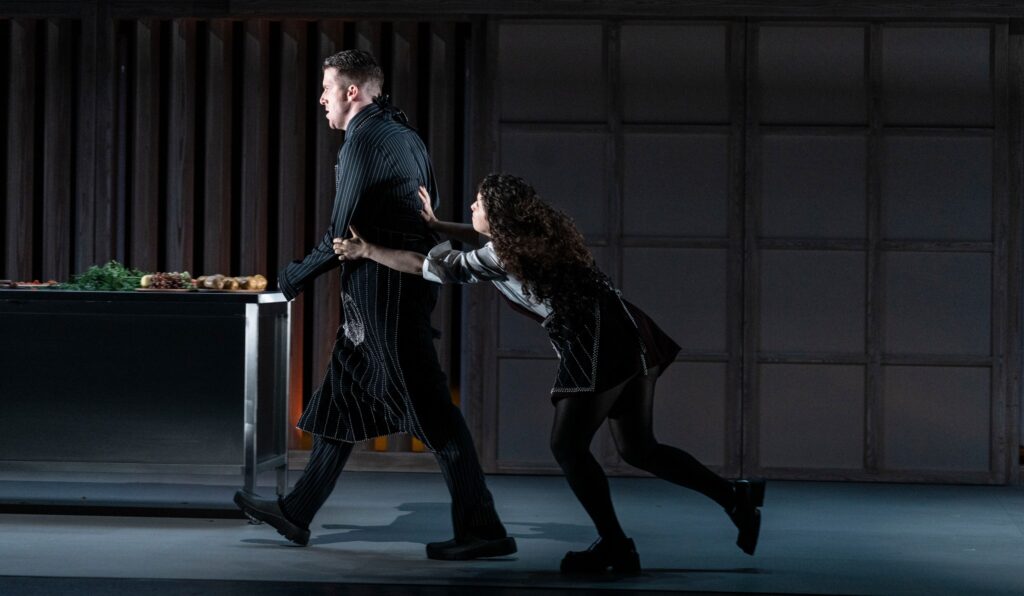
A bold and creative partnership between composer Jan-Peter de Graaff and librettist Eleanor Barlow, Hagar is a daring, modern and fiercely human reimagining of the ancient tale that explores resilience, scandal, and consequence.
Lock, Stock and Barrel (2024)
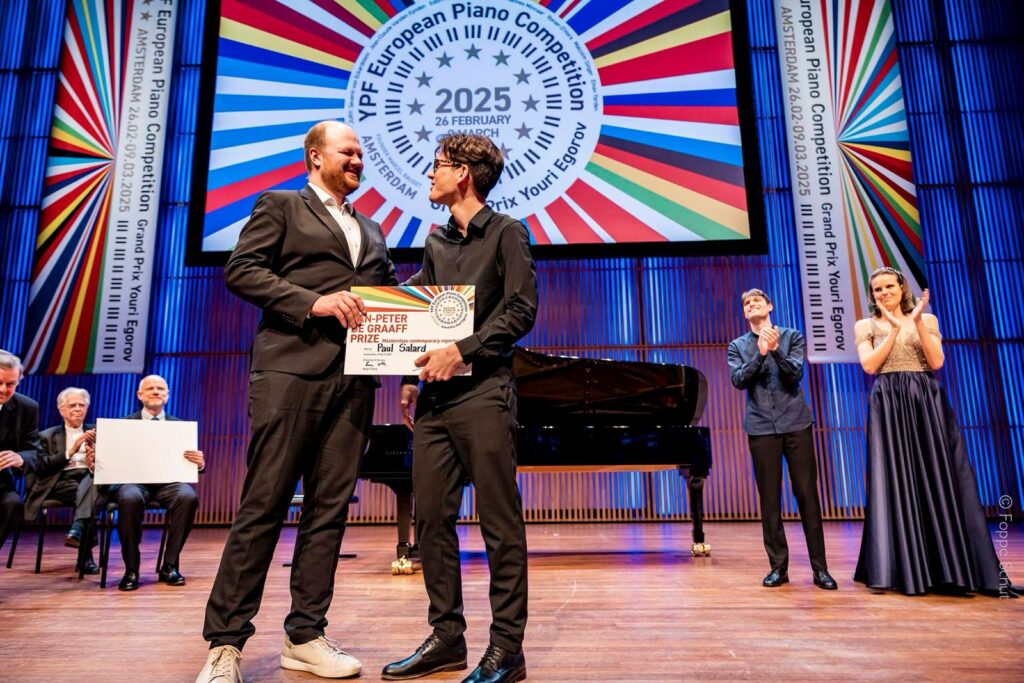
Lock, stock, and barrel is a two-episode suite for solo piano, commissioned by the YPF Piano competition as compulsory work for participants of the competition.
Effugium (2024)
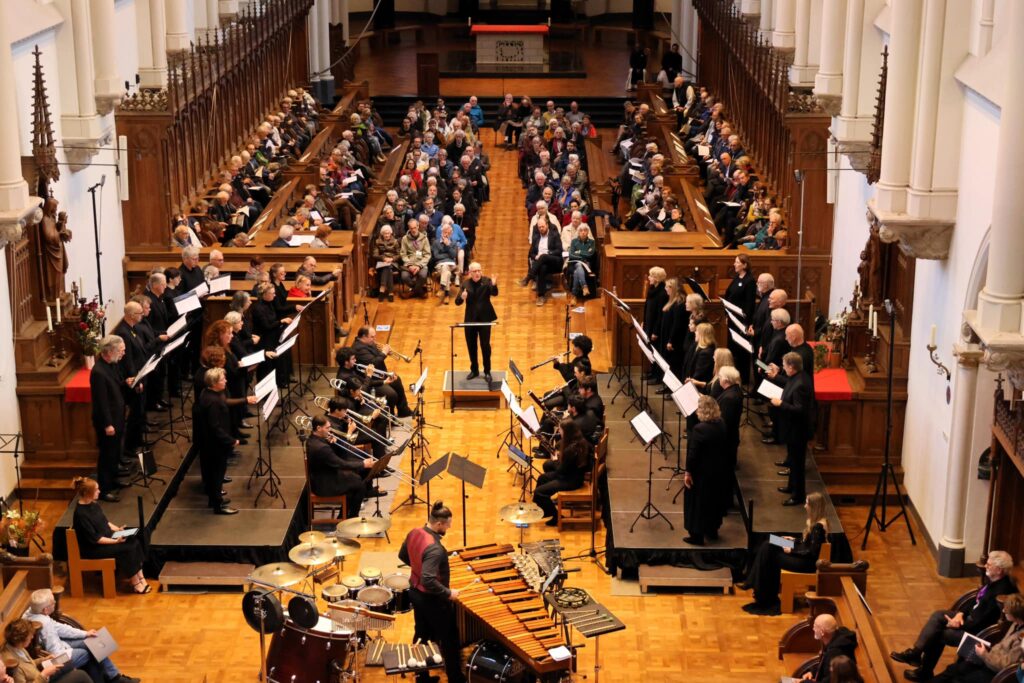
Effugium is a requiem based on texts by Jean-Paul Sartre’s Huis Clos and the liturgical Dies Irae. The piece was performed by chamber choir Ad Parnassum and The Brabant Chamber Orchestra.
Concerto No. 6 “Métropolitain” (2023)
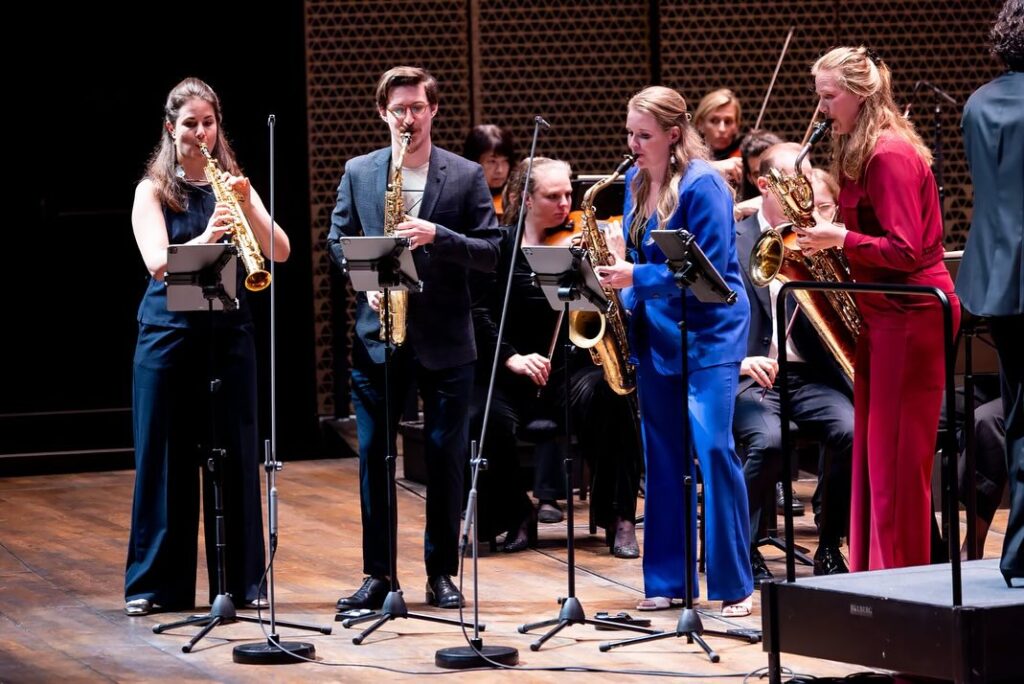
Concerto no.6 “Metropolitain” is a concerto in two contrasting movements describing the feeling of living in an urban environment, where everything seems to be built to guide and transport humanity with maximum efficiency in such a way that there is no real distinction between ‘inside’ and ‘outside’ anymore.
Concerto No. 7 (2024)
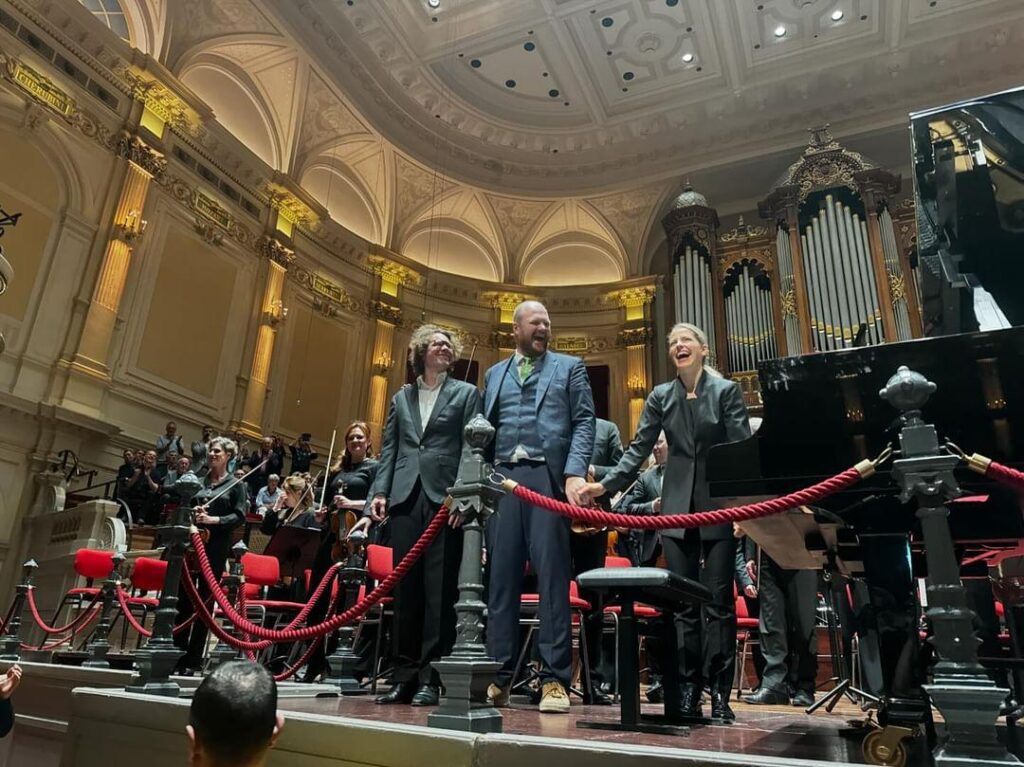
In four movements this piece demonstrates the different sound worlds that the Luthéal can create in a heated dialogue with the Orchestra and explores the unknown grounds between beauty and corruption, or even the beauty of corruption, as not only the sounds of the piano are manipulated, but also the different musical styles this concerto is referring to.
Stalagmieten Samba (2023)
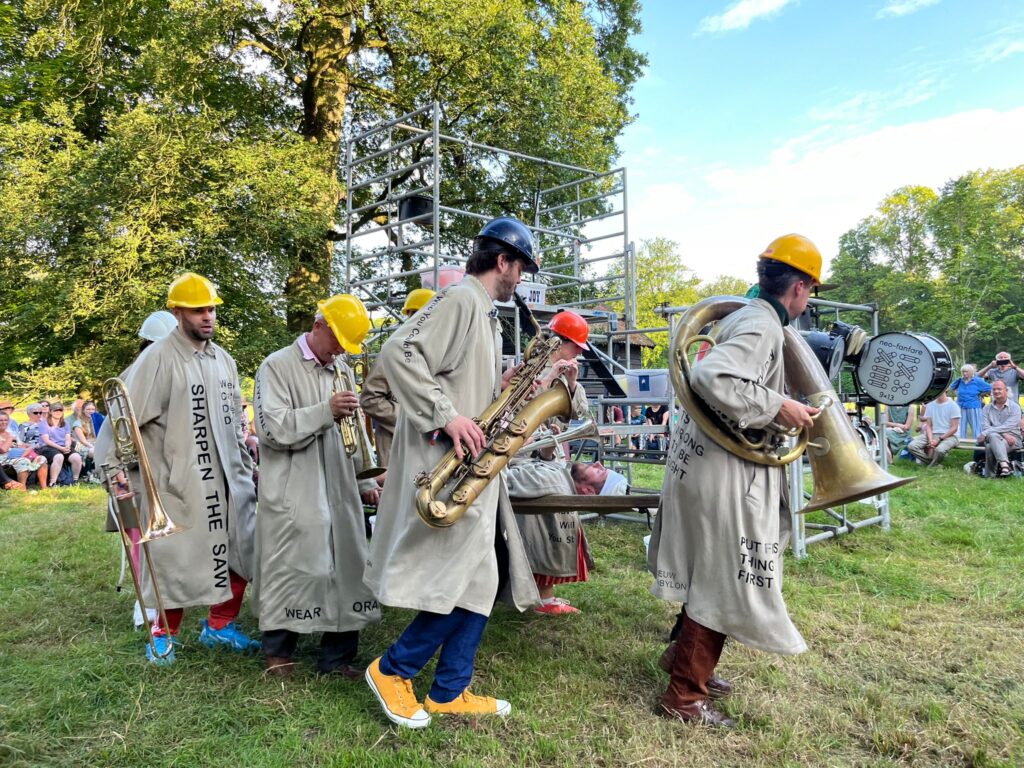
Neo-Fanfare 9×13 toured with ‘Stalagmieten Samba’ as part of their music theatre show ‘Nieuw Babylon’ about the relationship between humanity and toxic work environments.
Enivrez-Vous! (2022)
Enivrez-Vous ! (Get drunk!) leans its title from the poem with the same name by Charles Baudelaire. In four movements this piece describes different forms of being drunk, both in metaphorical as in literal sense.
Fanfarelle (2022)
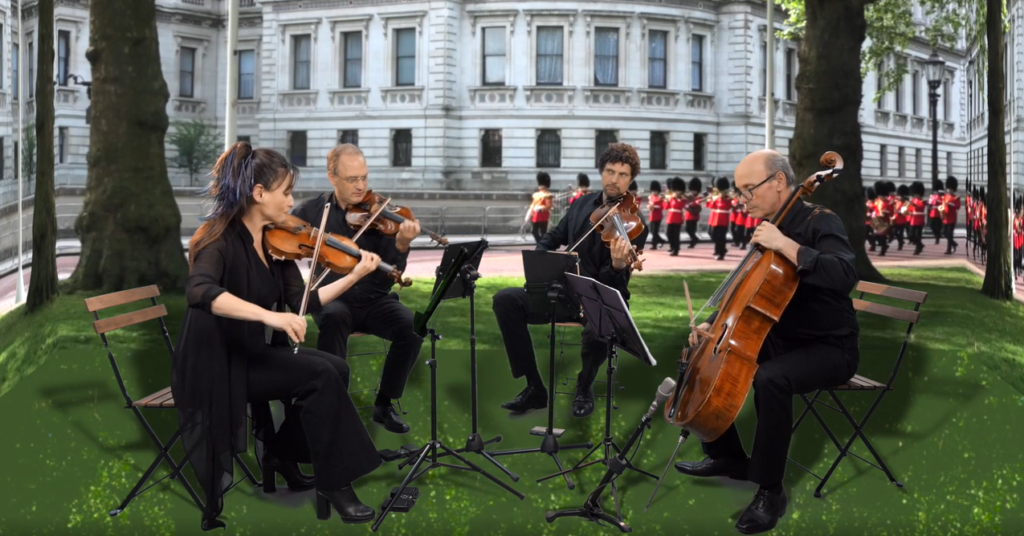
The Ruysdael Quartet commissioned 25 composers, offering them a carte blanche to explore various themes, including Ruysdael and motifs like space and stars. The resulting works represent a broad spectrum of styles, ranging from minimal music and lyricism to microtonality, jazz, and world music.
Het Gouden Kalf (2022)
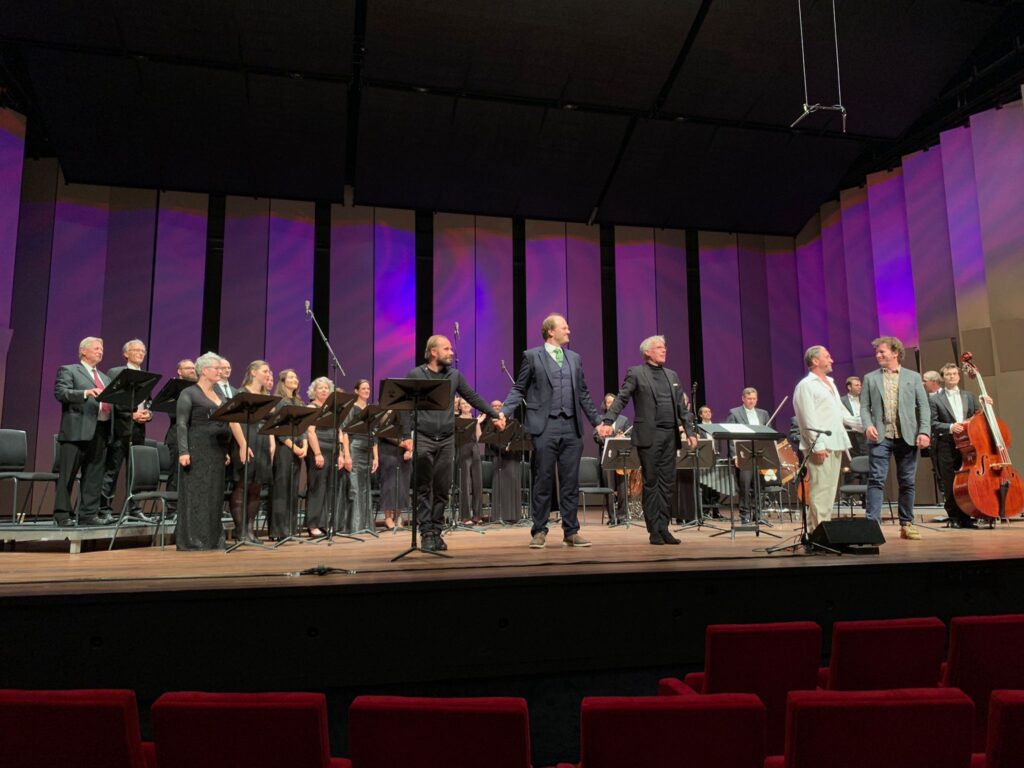
Het Gouden Kalf is inspired by the epic exodus of a people in search of a new future. Timeless matter that is powerfully reflected in our time.
Hammer und Tanz (2022)
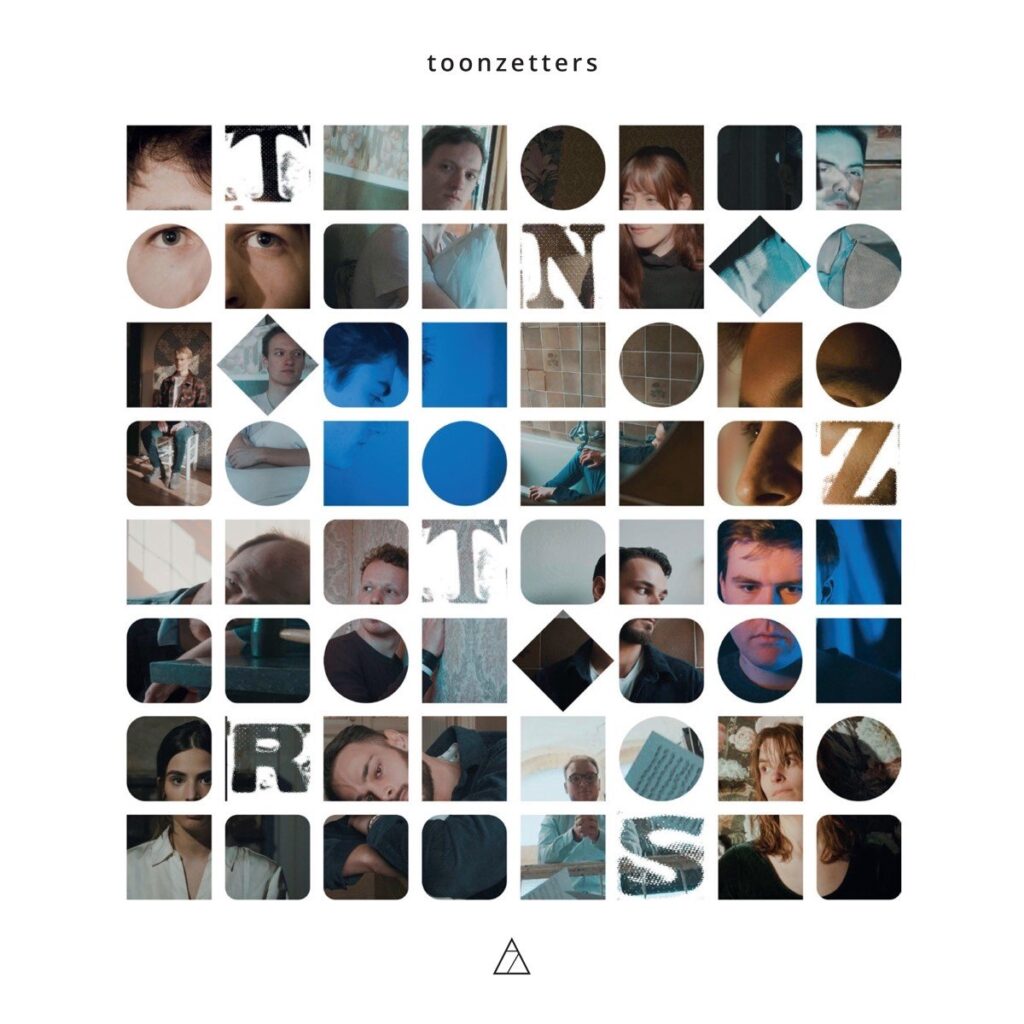
Hammer und Tanz was composed in 2022 as part of the ‘Toonzetters’ project of Primo-Ish-Hurwitz, performed by Agostinho Sequiera, Shane van Neerden, Arjan Jongsma and Ramon van Engelenhoven
Parallax (2021)
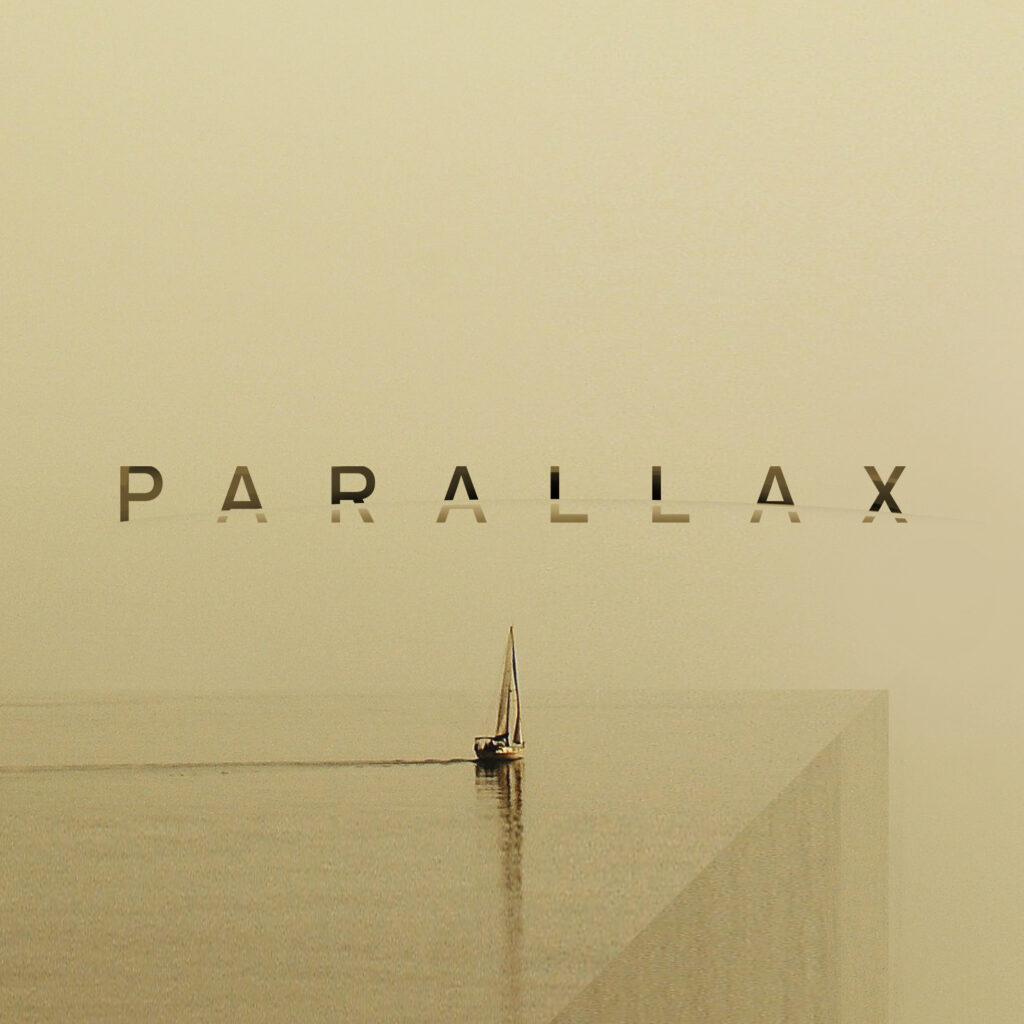
“Whose opinion really counts?” Parallax is a song cycle/monodrama for soprano and ensemble, based on a libretto by Yuri Robbers and Eleanor Barlow. In 14 songs a presentation is given by someone who believes the earth is flat and wants to confirm her beliefs by launching herself from the earth’s surface.
Event-Horizon (2021)
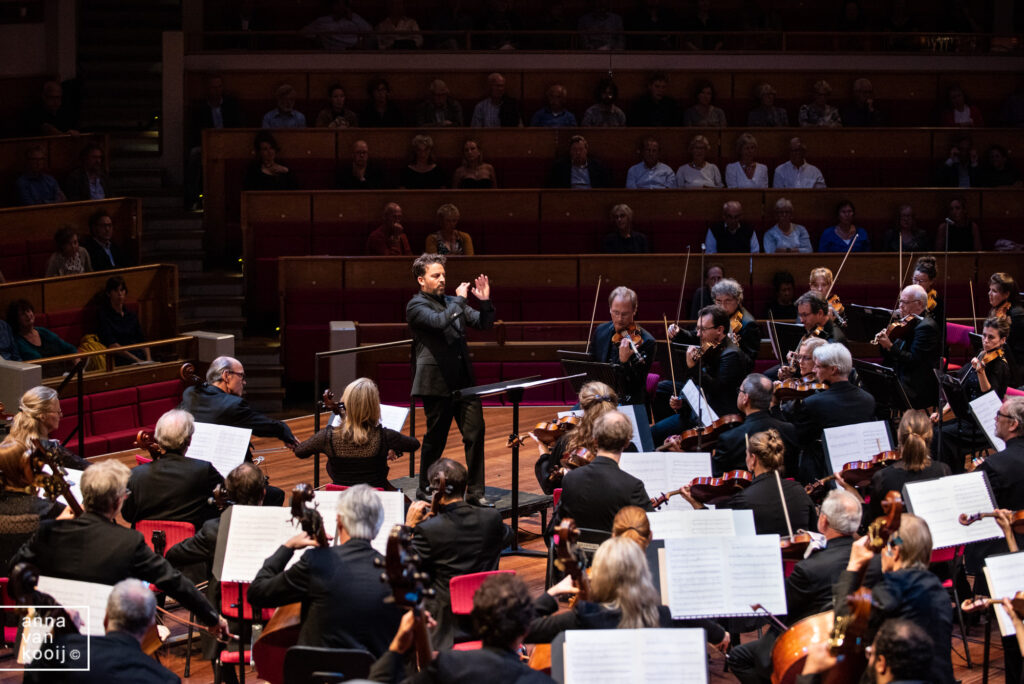
Event-Horizon is a symphonic suite, (one could even say a ‘symphony’) in 4 movements. The piece describes the transformation of particles near the gravity of a black hole.
Oranges and Lemons (2018, ARR. 2021)
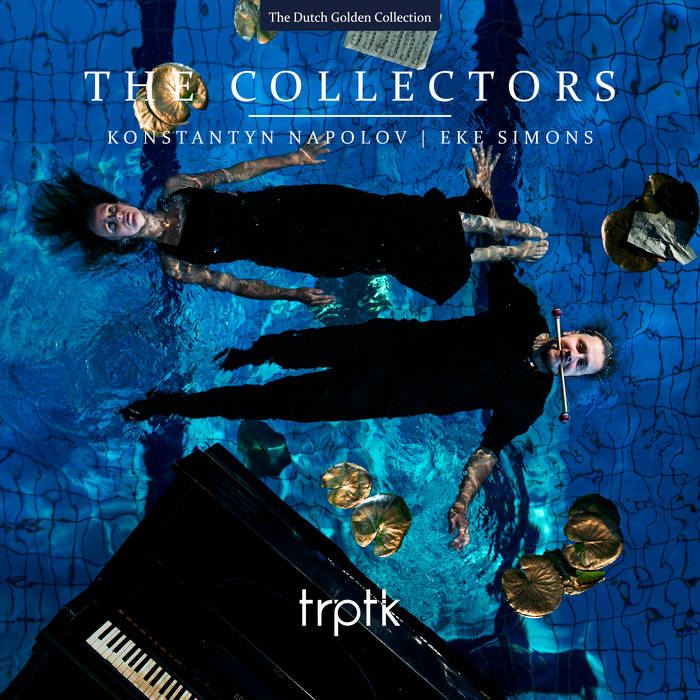
The rhyme “Oranges and Lemons” plays an important role in George Orwell’s novel 1984. In the book, the rhyme symbolizes the idea that freedom in a totalitarian society may be just another form of oppression, where hope is a terrible illusion.
Concerto No. 5 “The Forest in April” (2021)
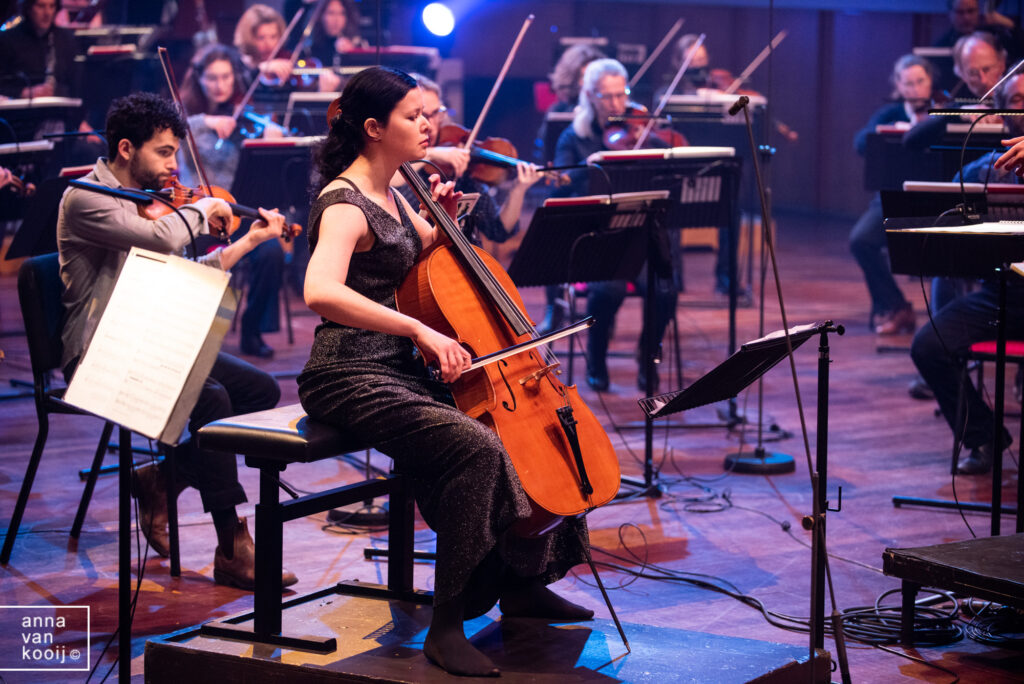
In The Forest in April the relationship between soloist and orchestra is central as a metaphor for the relationship between man and nature.
Les Cymbales Sonores (2020)
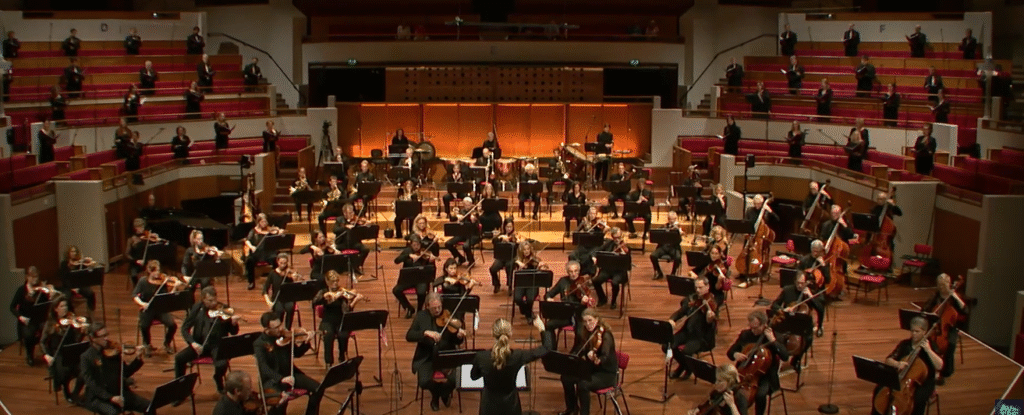
LES CYMBALES SONORES was commissioned by Stichting Omroep Muziek and AVROTROS Vrijdagconcert for the 75th anniversary of the Radio Filharmonisch Orkest & Groot Omroepkoor. The world premiere was on September 11th 2020 at Tivoli Vredenburg, Utrecht. This piece is dedicated to Jan-Peter’s grandfather, W. de Graaff.
Concerto No. 4 “Rimpelingen” (2017. ARR. 2020)
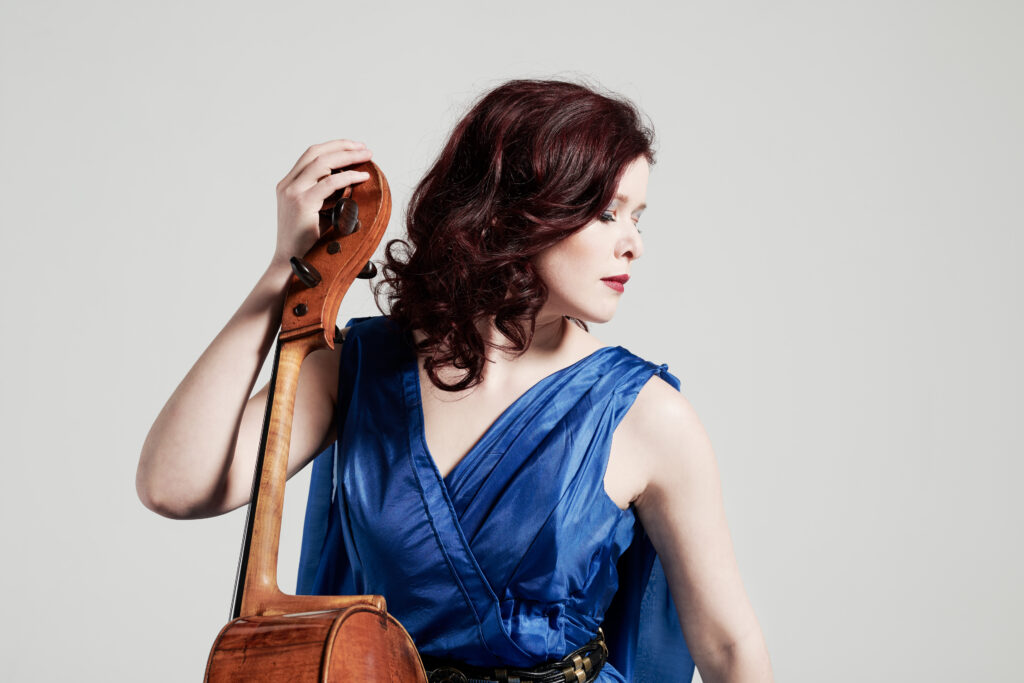
Rimpelingen was inspired by pebbles crunching on the water: This arrangement was made for cello and piano by Rick van Veldhuizen in 2020.
Bonsai Garden (2020)
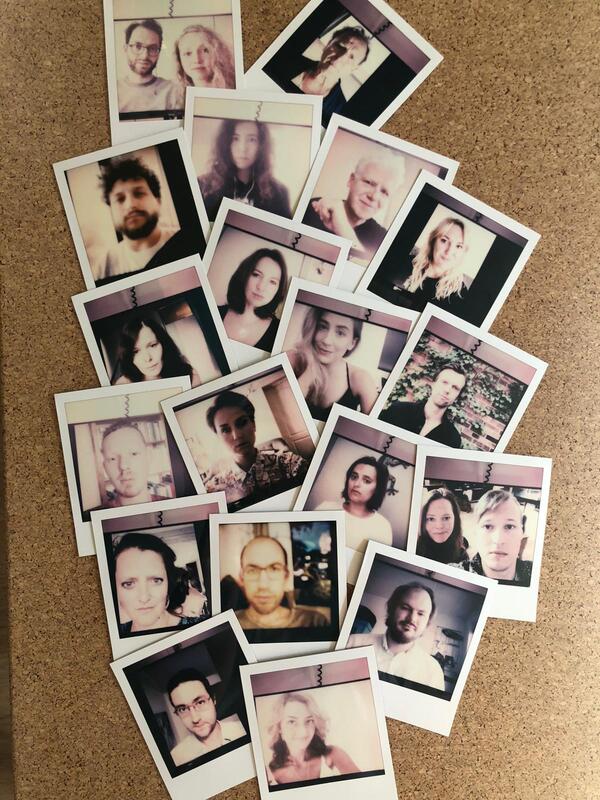
During the coronavirus pandemic of 2020, Jan-Peter de Graaff (composer) and Kenza Koutchoukali (stage director) started the initiative to create eight online miniature operas that shed light on the life behind the closed doors of the imposed ‘lockdown’ during the height of the first wave of the coronavirus in Europe.
Pascal (2020)
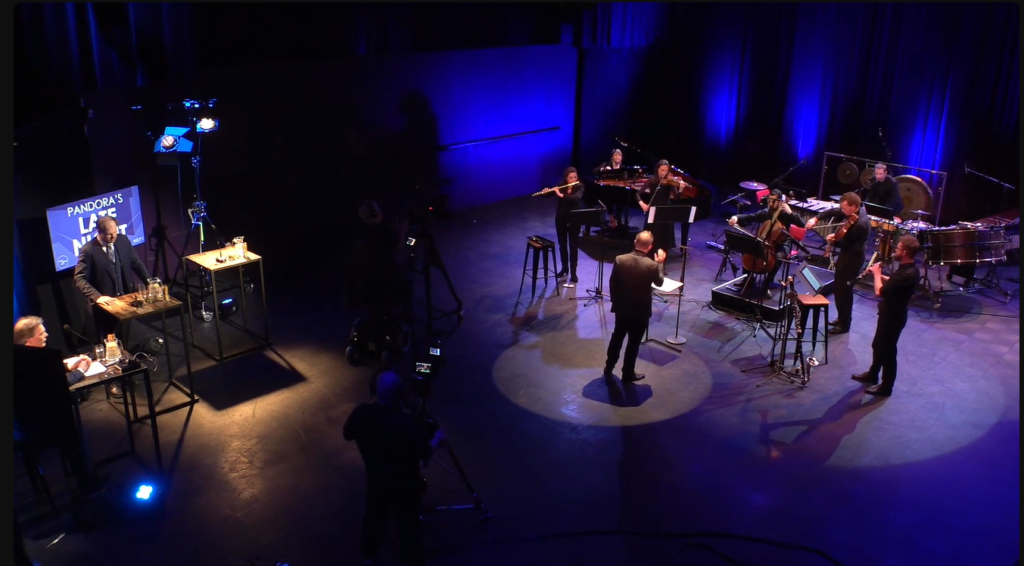
Pascal is inspired by the movement of air (and thereby the creation of wind) from high to low pressure, according to the law of Buys-Ballot (Pascal is the metric unit for measuring Air Pressure).
Point of No Return (2019)

Commissioned by But What About, Point of No Return is a 9-minute piece for Accordion, Clarinet, Percussion and Double Bass. It was performed at the concert “Pendeltrap” on January 16th, 2020, in Club9, TivoliVredenburg, Utrecht (NL).
And We All Look At The Sea… (2019)
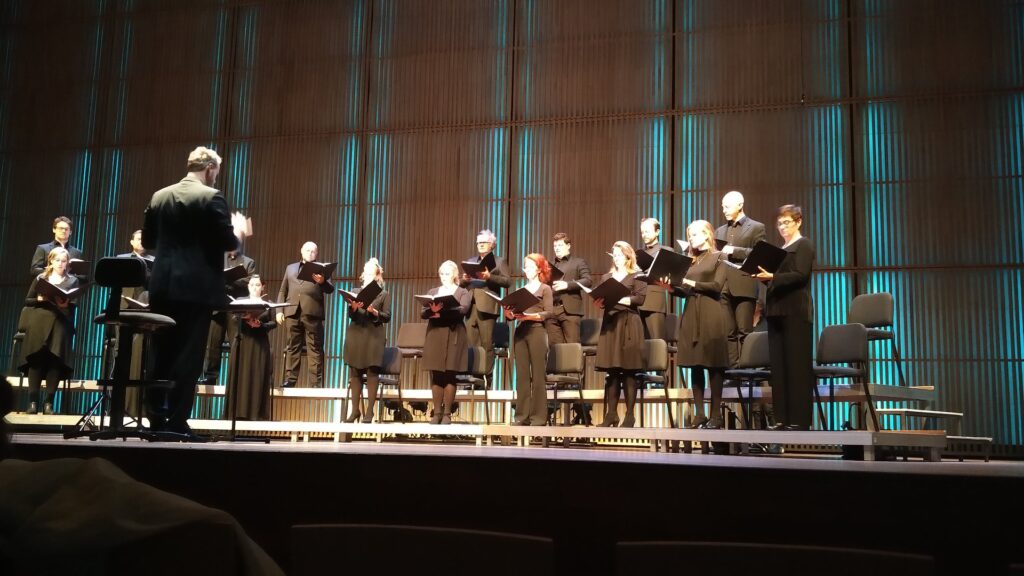
And We All Look At The Sea… was commissioned by Nederlands Kamerkoor, De Balie and Muziekgebouw aan ‘t IJ. The text is written by the composer, after Händel’s ‘Children of Israel’.
Meccanica (2019)
Meccanica is inspired by both the kinetic sculptures of Jean Tinguely as the ‘Strandbeesten’ by Dutch artist Theo Jansen. The piccolo and the piano are intertwined in a musical game of transferring ‘musical kinetic’ energy, from ‘linear’ to ‘circular’ rhythmic and melodic movements.
De Synode (2019)
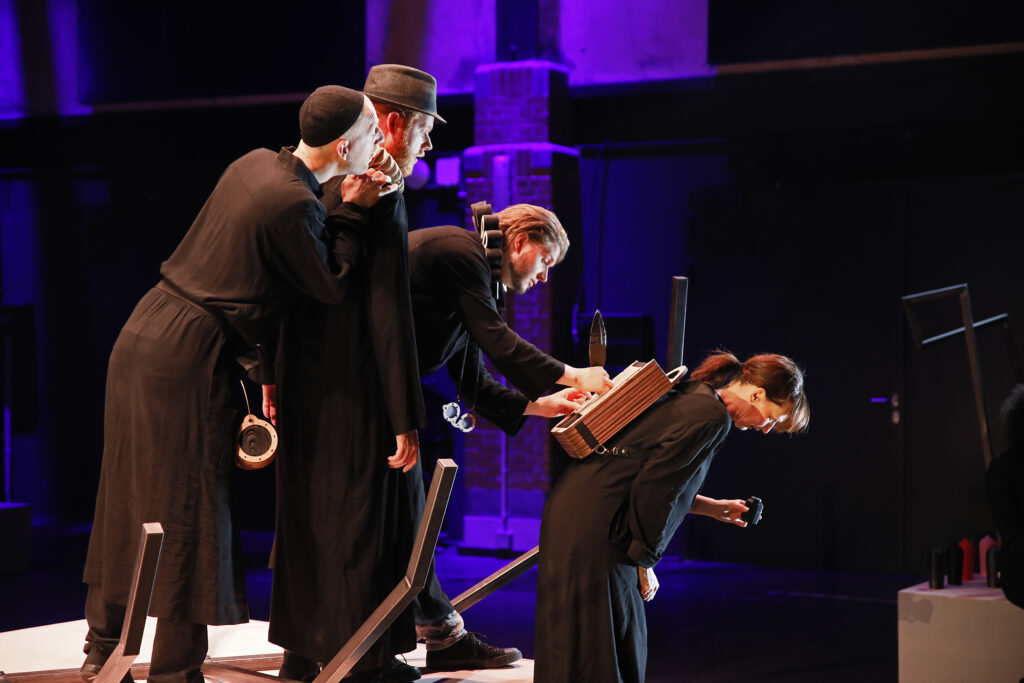
In De Synode, a merchant tries to gain financially from the outcome of the religious conflict by collaborating with both opposite sides of the conflict. Unfortunately for him, both outcome of the religious conflict and the outcome of the political conflict don’t go as planned, resulting in him losing his daughter and all his possessions, leaving him to the mercy of his debt owners.
Jutters (2018)
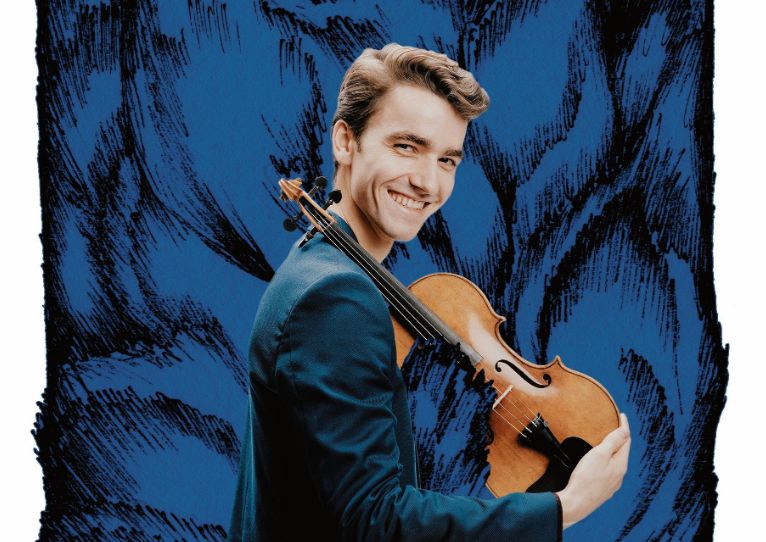
Jutters received its premiere during Pieter’s Dutch Classical Talent Tour in 2019. The composition is based on two folk songs from the isle of Terschelling, where Jan-Peter was raised.
Variations (2018)
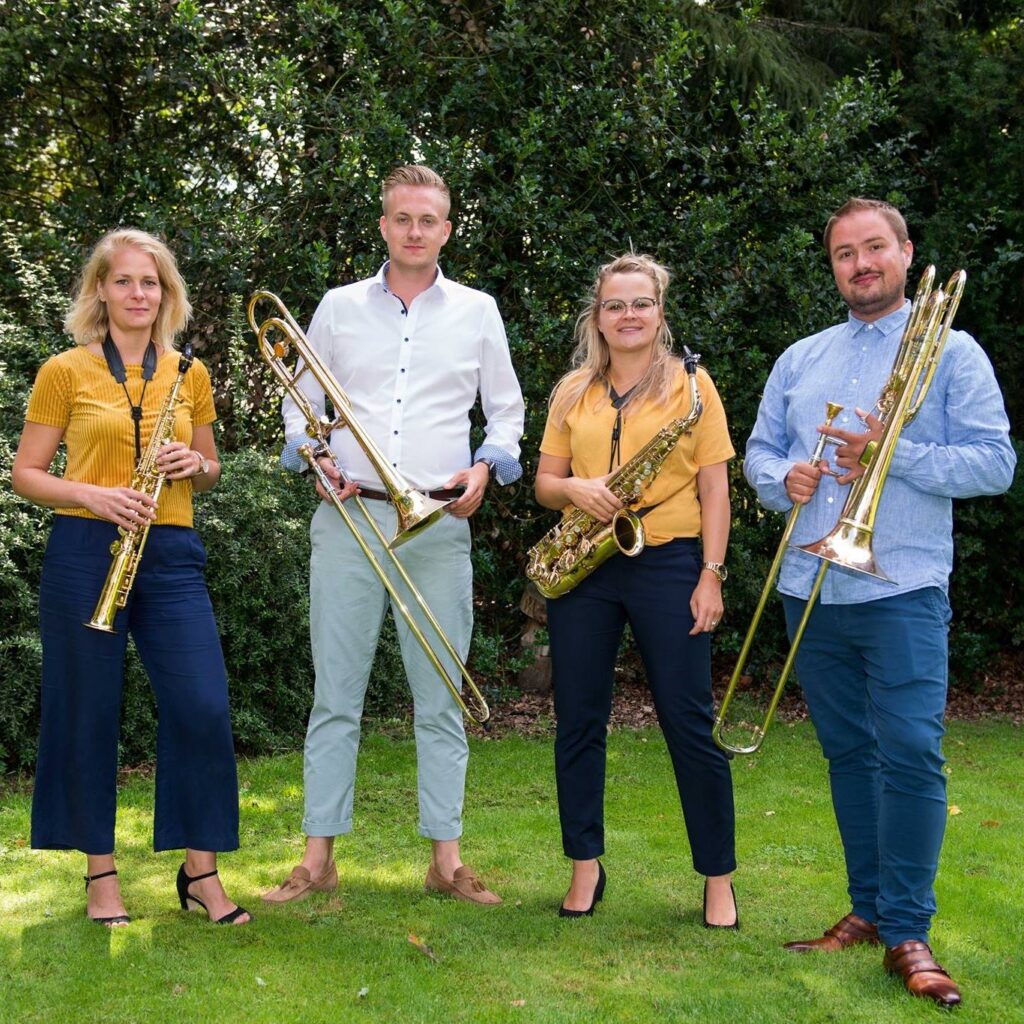
Variations was written for Wind Quartet and Jazz Trio and commissioned and performed by Ensemble Mescolare. It consists of four movements: Furious, Slow, Fanfare and Finale.
The Bells of St. Clements (2018)
The rhyme “Oranges and Lemons” plays an important role in George Orwell’s novel 1984. In the book, the rhyme symbolizes the idea that freedom in a totalitarian society may be just another form of oppression, where hope is a terrible illusion.
Le Café de Nuit (2017)
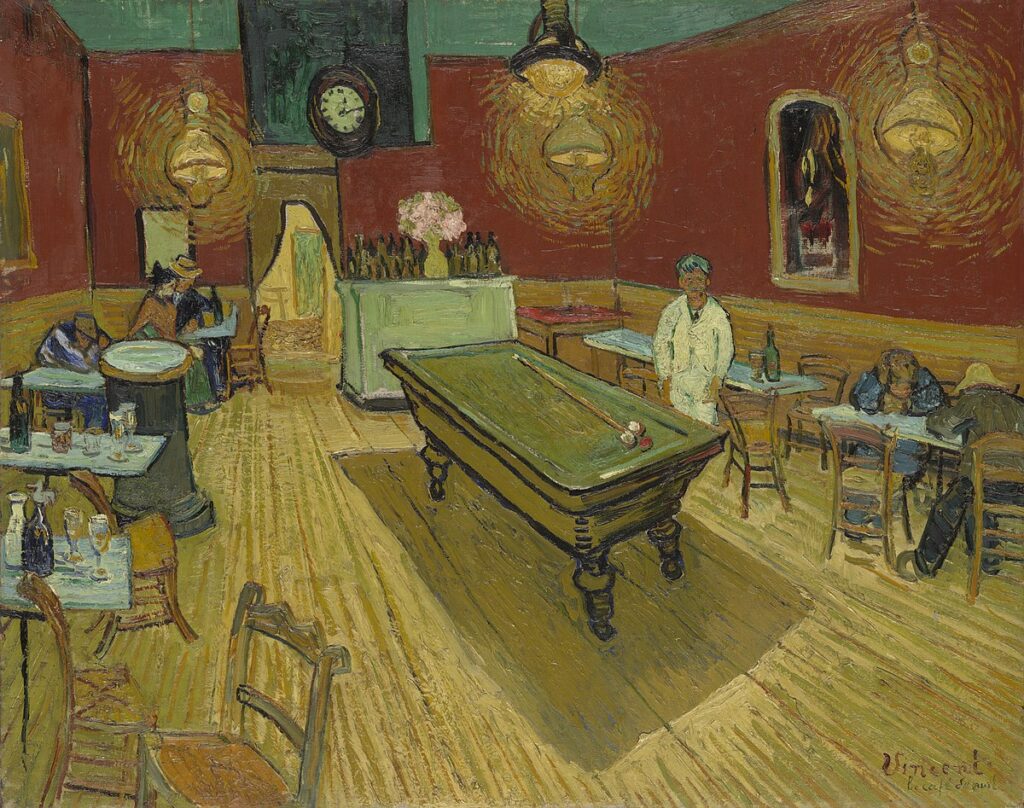
“Le café de nuit” is a fantasia/nocturne for orchestra, based on the painting (with the same name) by Vincent van Gogh, and the letters he wrote to this brother Theo during his stay in Arles, where he rented a studio above the café.
Concerto No. 4 “Rimpelingen” (2016-2017)
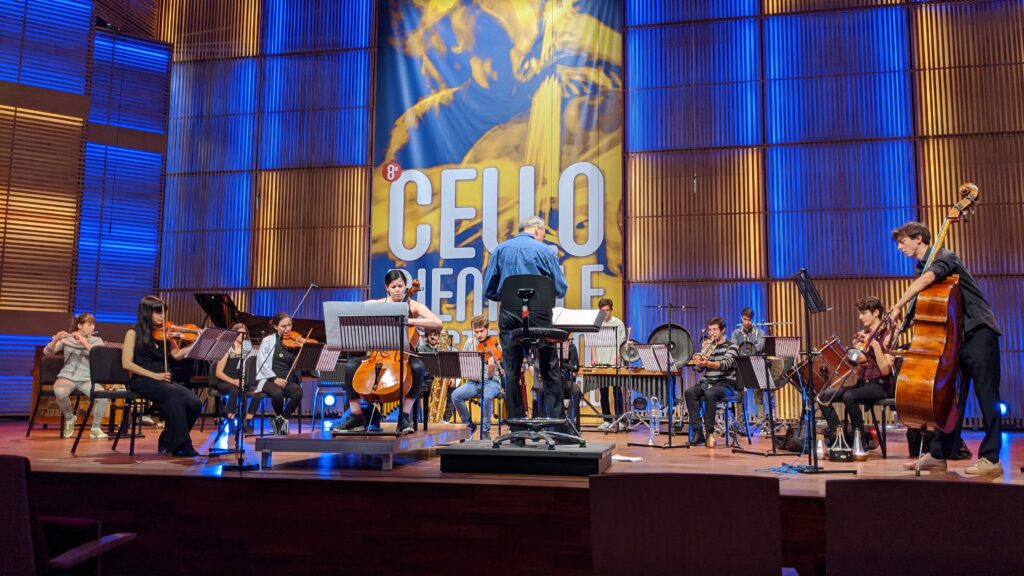
“Rimpelingen” was inspired by pebbles crunching on the water: “Then I zoom in on the ripples on the surface of the water and on what’s happening underneath, that’s the ensemble. That’s where a complete world emerges, which eventually fades out.”
De Grens (2018)
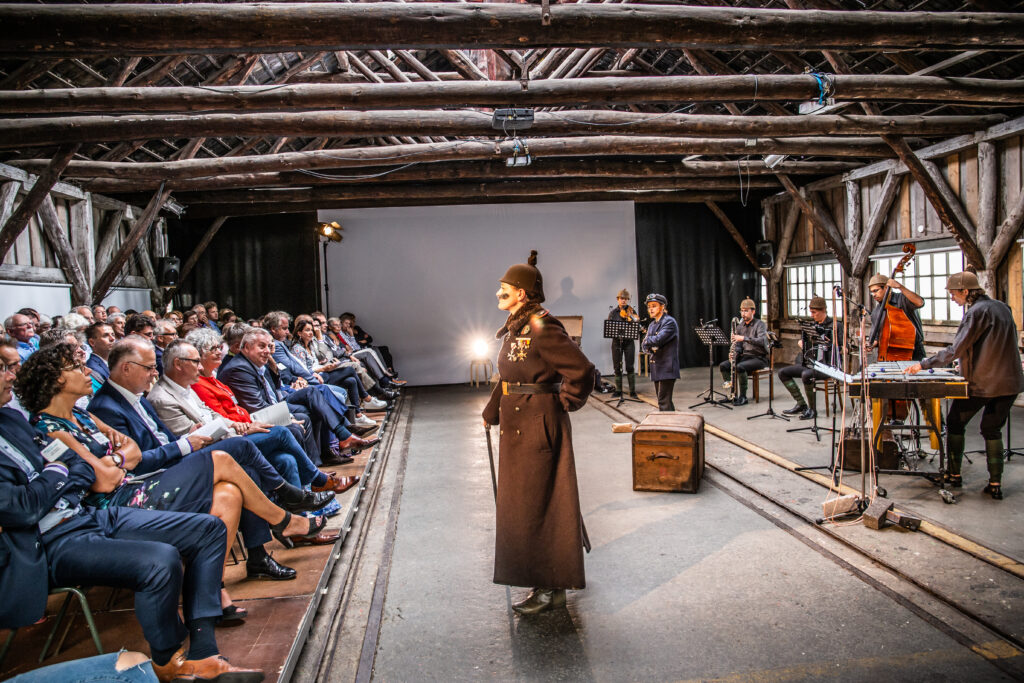
In this opera, a local Station Manager informs Emperor Kaiser Wilhelm II that he has to wait at the station until the Dutch Government had made a decision about his asylum application. But the manager has his own thoughts about the Emperor staying at his station.
Right (2017)
Right was written for Soprano Saxophone, Alto Saxophone, Trombone and Bass Trombone. It was commissioned and played by Ensemble Mescolare in March 2017.
Reeks en Progressie (2016)
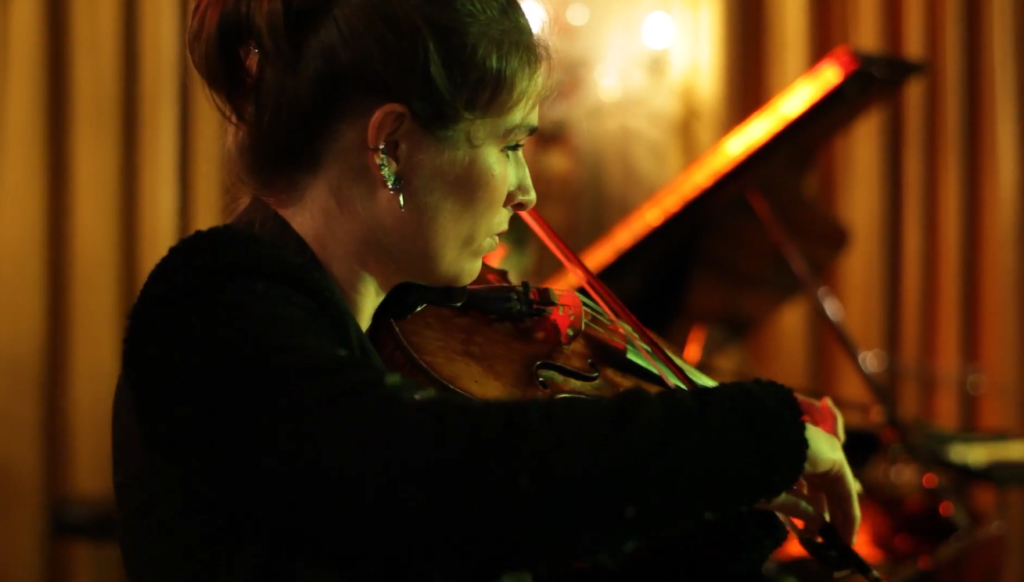
Reeks en Progressie was written for Kluster5 for the anniversary of the neighborhood Marlot in The Hague. It was commissioned by Muziek@Marlot with financial support from The Hague Municipality. It was performed at Kluster5’s season opening concert in the ‘royal’ society De Vereniging in the Hague in September 2018.
Zandzeebar (2015)
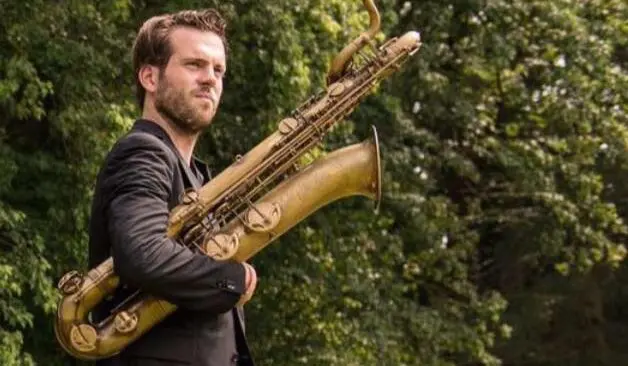
The title of this solo piece “ZandZeeBar”, was derived from a beach pavilion on
the isle of Terschelling with the same name (which means, roughly translated:
Sand, Sea, Bar). The piece consists of three inner movements, which transcend
smoothly from one to another, describing “Sand”, “Sea” and a pub in musical
material, making the piece go from a very rough texture with a lot of extended
techniques to a more ‘funky’ way of playing (70’s–80’s style, the kind of disco
music Baritone Saxes were used in a lot).
All Rise! (2016)
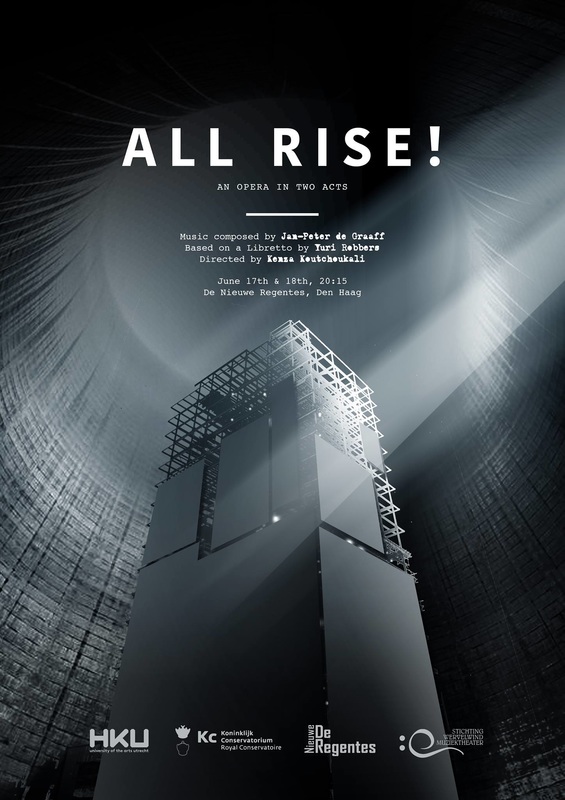
A translator in a fictional multilingual parliament is tempted by a politician to make a translation error. The consequences of this mistake turn out to be far less innocent than expected, and the situation spirals completely out of control.
Hatoverheals (2015)
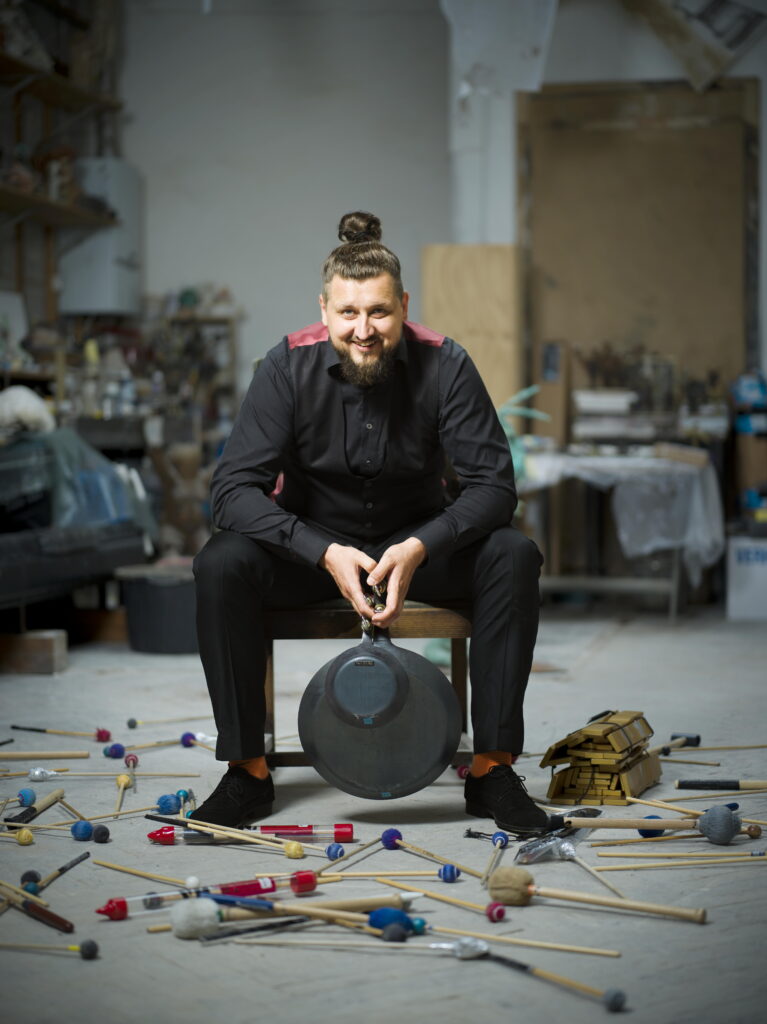
Hat|Over|Heals is a solo percussion piece composed for percussionist Konstantyn Napolov. The work consists of numerous motifs that gradually evolve from static to fast-paced movement, culminating in a surreal polka in which the percussionist tries to tame the Hi-Hat, which, for some reason, seems to have taken on a life of its own.
All Rise! – Overture (2015)
This overture of All Rise! was composed for Festival Dag in de Branding where four young composers were invited to compose an hommage to Mozart.
Concerto No. 3 “Grosso” (2015)
Concerto No. 3 “Grosso” for Saxophones, Trombones and Sinfonietta, is based on themes from the opera ‘ALL RISE!’ (2015-2016). It was commissioned by Ensemble Mescolare in 2015.
Concerto No. 2 “Four Dances” (2014-2015)
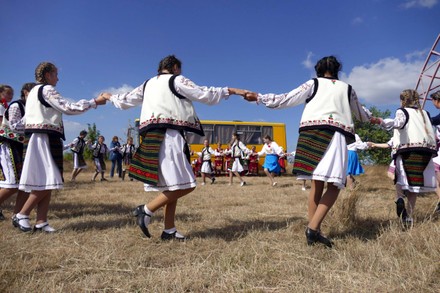
“Four Dances” is inspired by four dance types: Pavane, Reel, Zeibekiko and Horo. This piece is made for clarinet, optional choir and small orchestra. It was commissioned by Denise van Leeuwen.
Rotôndes (2014-2015)
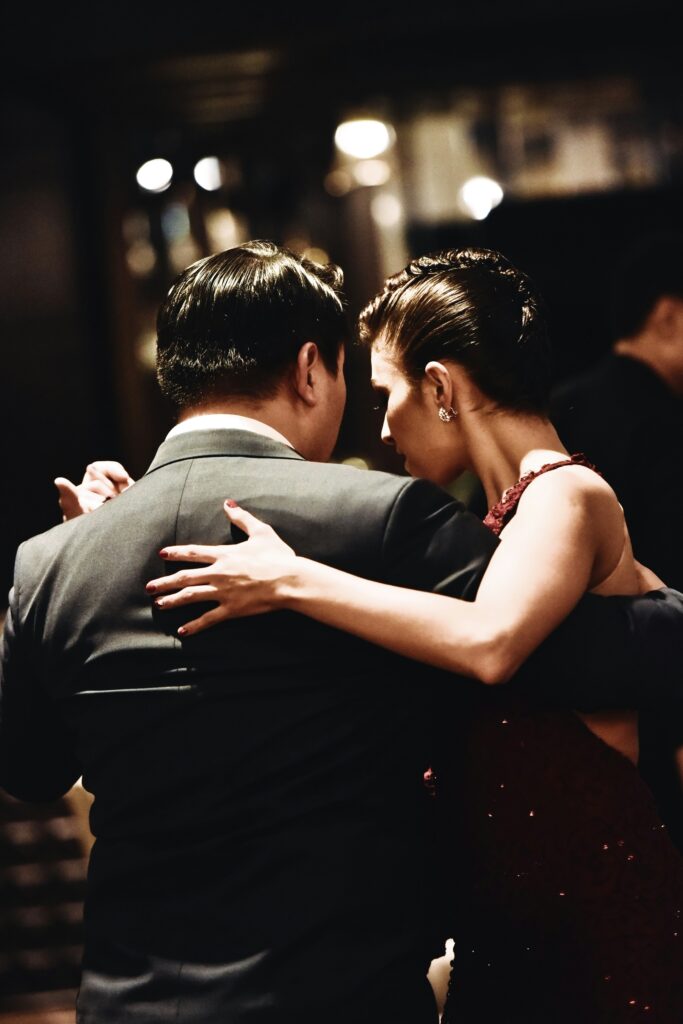
In Rotôndes there is a battle between Waltz and Samba, two passionate dance styles with completely different rhythms. This piece was commissioned by the Riccioti Ensemble and is dedicated to Cristiano Melli.
That All Changes (2014)
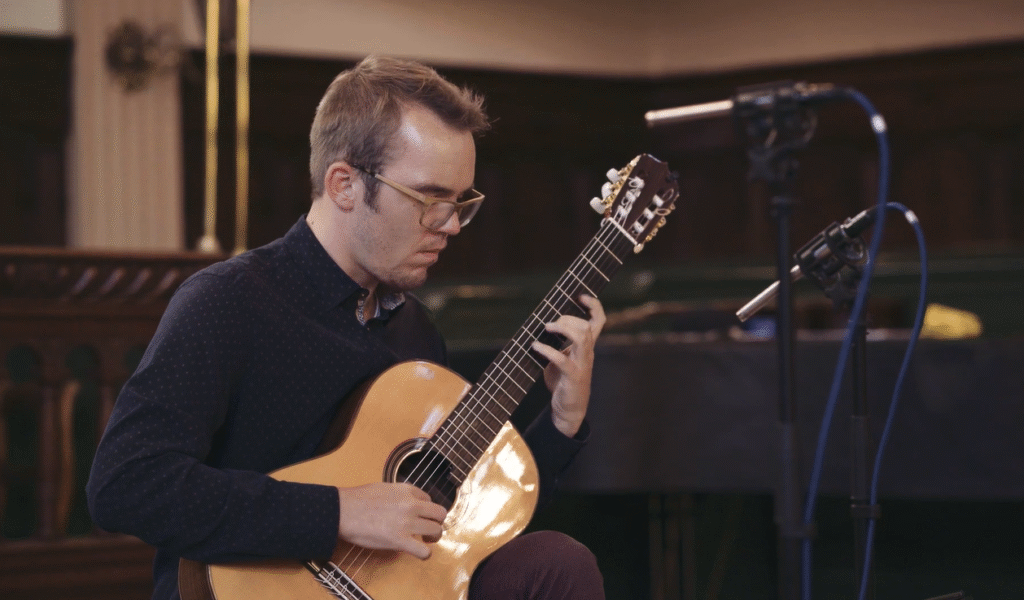
That all changes is a short piece that explores the more percussive side of the
guitar. The piece starts with a short statement that soon forms the basis of an
ongoing stream of melodic semiquaver figures, taking twists and turns via different
style quotations and jazz licks. At the end of the piece, the guitar is almost fully
transformed into a percussion instrument; the tonal material from the beginning
is still there, but bares little to no function anymore.
Sept Mouvements (2011-2014)
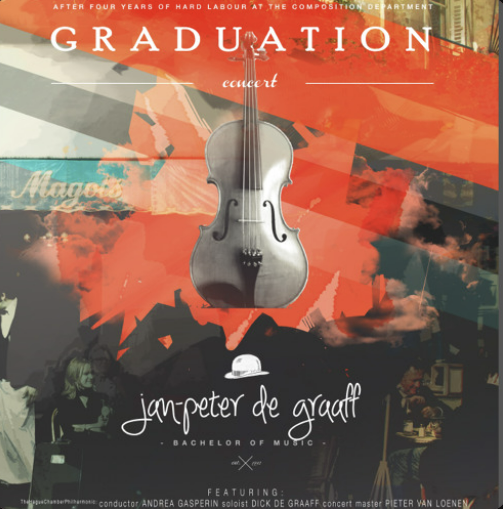
Sept Mouvements was composed for my Bachelor Graduation Concert in 2014. It consists of 7 movements for orchestra, viola and violin. It is dedicated to all orchestra members who lost their jobs due to government austerity measures.
Left… (2014)
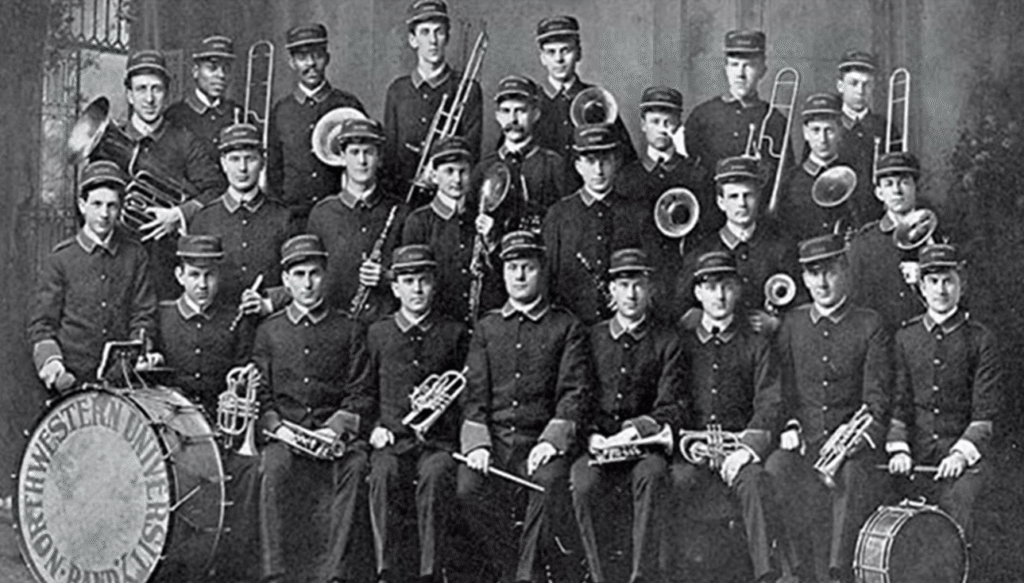
This composition depicts the Werdegang of a march—a genre built on a persistent rhythm that is repeated many times, around which the other musical components move. In the first episode (the entire work consists of several episodes that seamlessly flow into one another), this rhythm is most clearly heard, and the surrounding sound is enriched by two additional quartets that, according to the composer, function as a Fernorchester (distant orchestra).
Six Miniatures (2014)
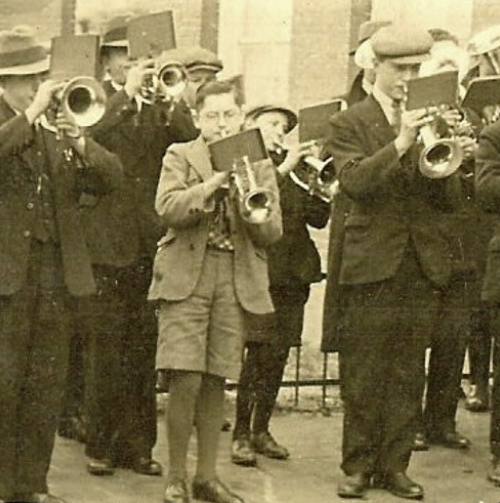
This piece consists of six miniatures for Large Symphony Orchestra: I. Doppler Polka, II. Kwintslag, III. Les Nachos, IV. Eentonig, V. No Tango At All and VI.. Valse de Schulenc. It was commissioned by the Netherlands Radio Philharmonic in 2014.
Verses on Subtlety (2013)
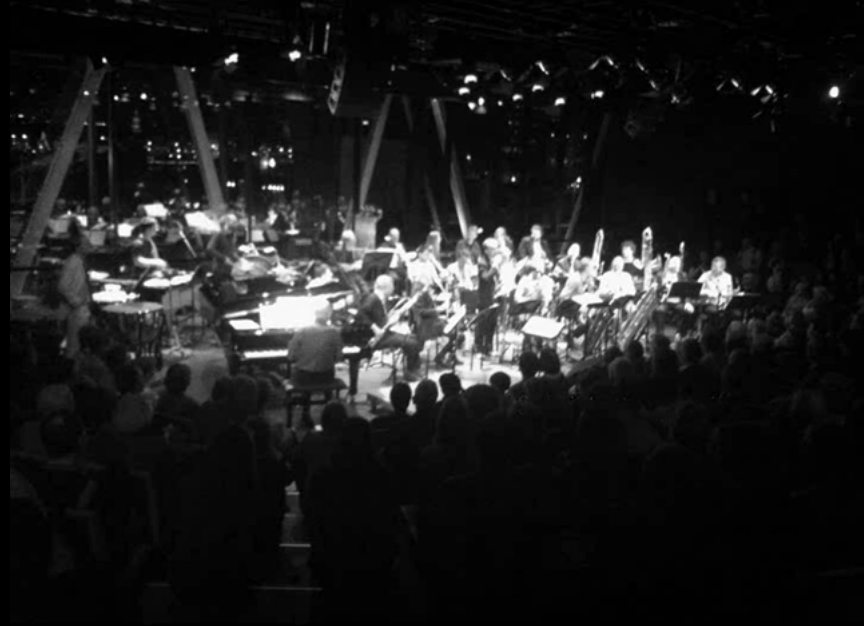
Verses on Subtlety is subtle swing for extended big band. It written for the David Kweksilber Big Band to be played at the Spring Festival in 2014. It’s approx. 8 minutes long.
Montrez-Moi (2013)
Montrez-moi is based on a poem by Koos Tiemersma (Froon Acker). This piece was written for tenor and violoncello and commissioned by Rudmer de Vries.
Overal is Regen, Regen (2013)
Composed for the annual Spring Festival, this piece has the unusual instrumentation of Two Harps, Two Guitars, Two Accordions, Two Piano’s and two Percussion players.
For3 (2012-2013)
For3 is a three-movement Trio for Clarinet, Trombone and Double Bass that was composed for the Chamber Music Festival in The Hague.Every movement deals with the untraditional combination of these instruments.
Prelude #3 “The Wedding Waltzes” (2013)
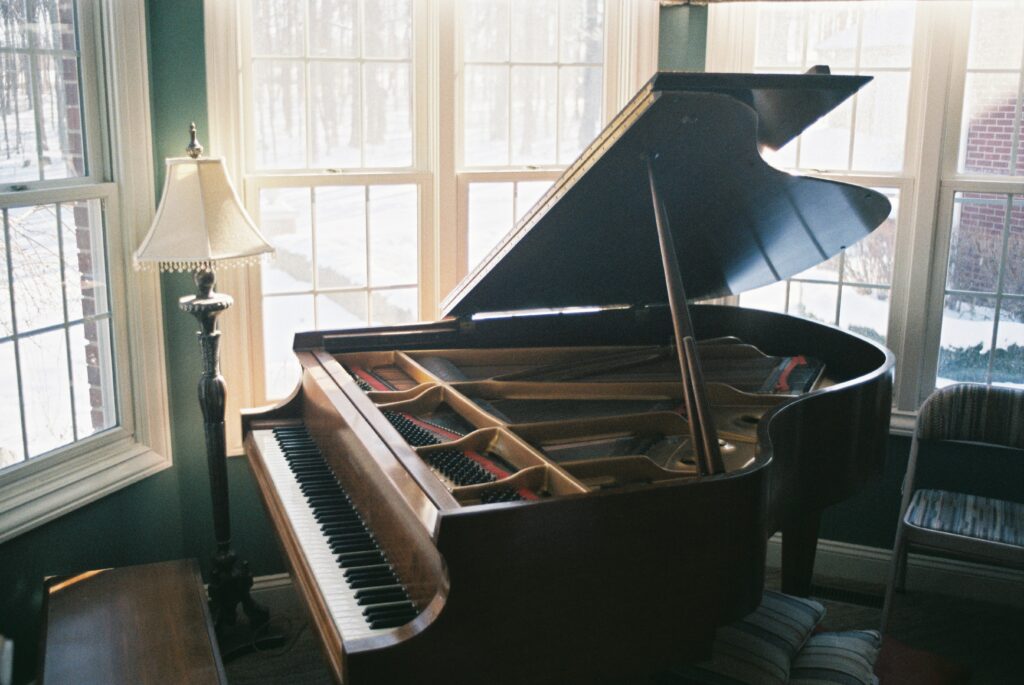
Prelude #3 “The Wedding Waltzes” was written for Wim Bos as a wedding gift back in 2013. It’s approximately 4 minutes long.
Nocturne (2013)
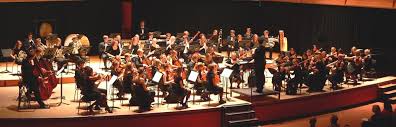
Nocturne is a symphonic sketch for orchestra. It was commissioned by Viotta Youth Symphony orchestra for their 25th anniversery concert in 2013.
Milonga (2011-2012)
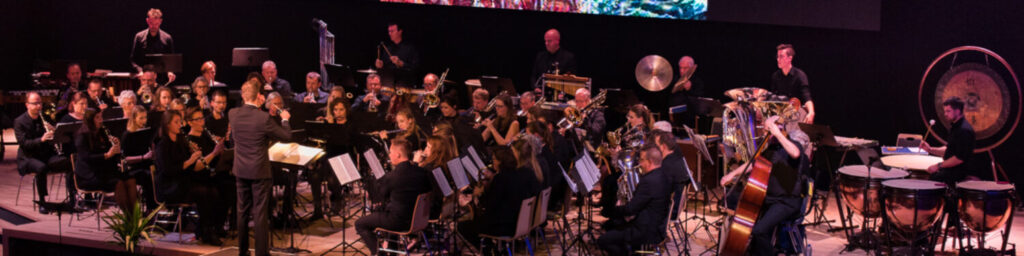
Milonga takes the listener on a journey through the history of the Milonga (without being programmatic), starting on the Argentinian Countryside, around 1820, and ending with the first two bars of one I consider the most beautiful Milonga’s composed; Oblivion.
Stage (2012)
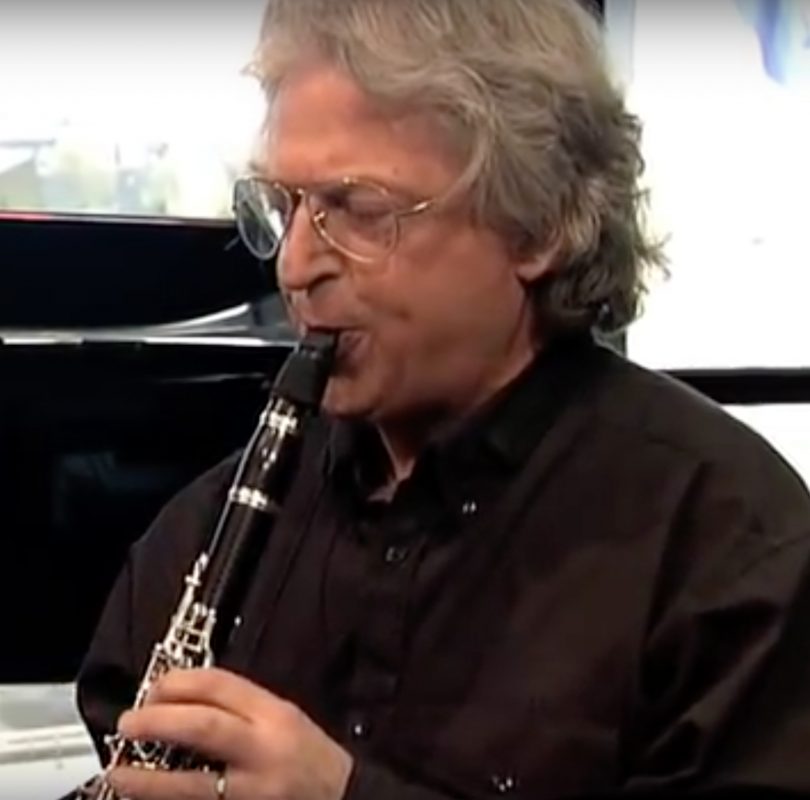
Stage is a piece for two clarinets written for the Meester/Gezel Concert series in Nijmegen, Leiden, Utrecht and Den Haag. It was commissioned by Pierre Woudenberg and is played by two clarinets.
Westwijk Panorama (2012)
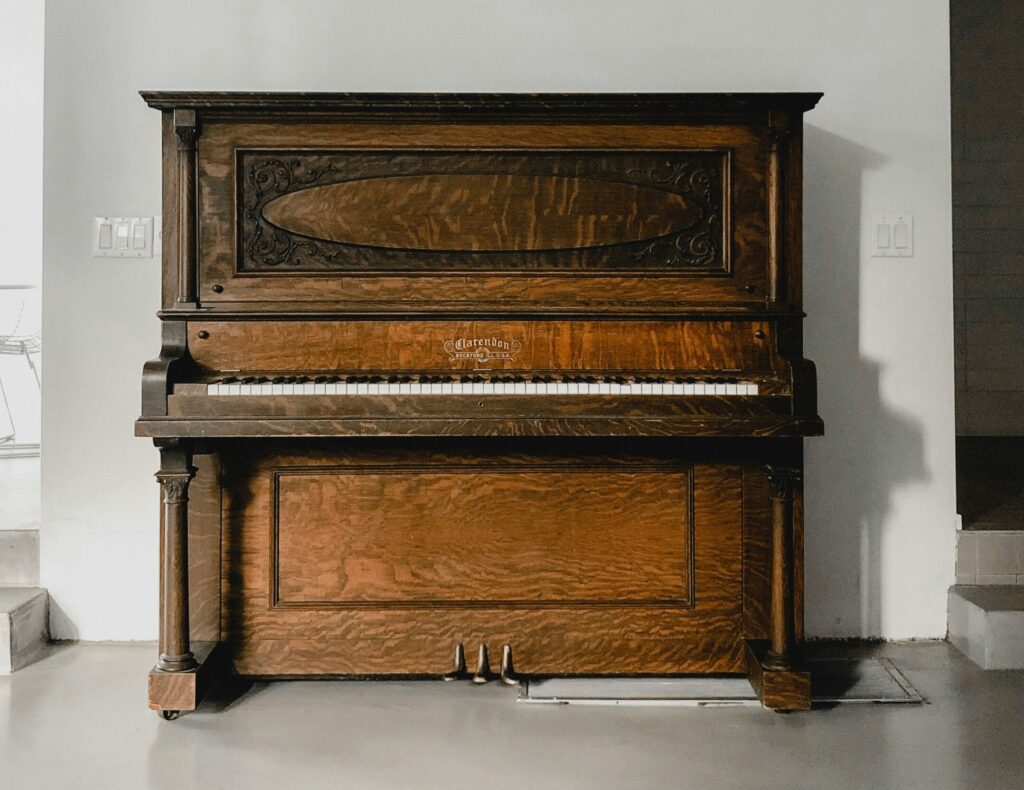
Westwijk Panorama is the chamber edition of Prelude #2 “Westwijk Panorama”. It can be played with clarinet, violin and piano and was commissioned by Denise van Leeuwen.
(O)pinions (2012)
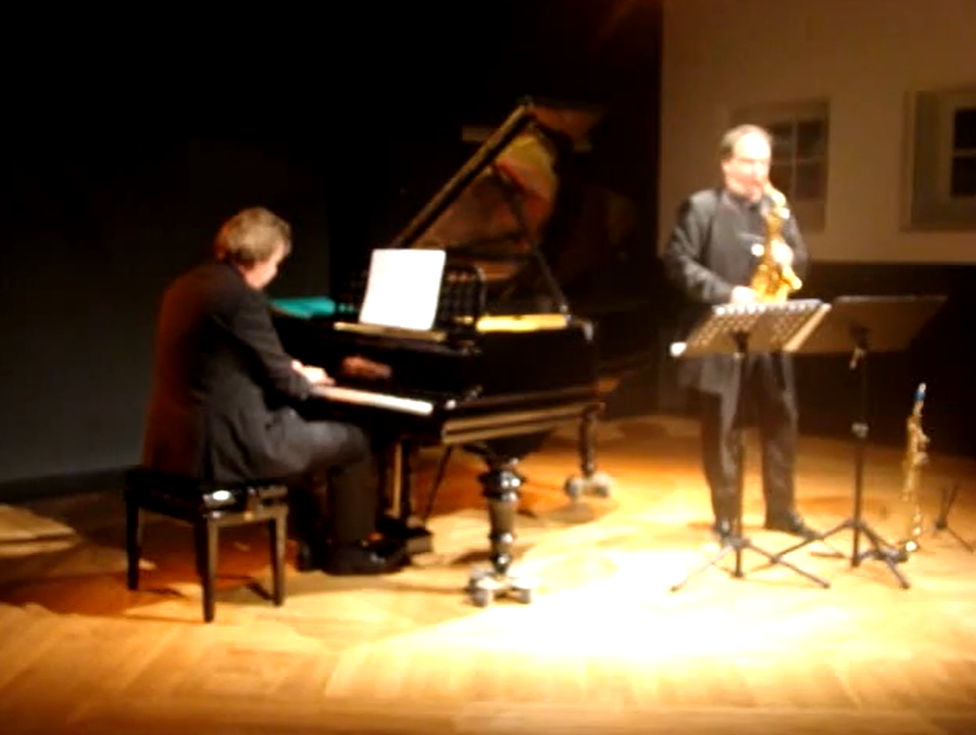
This sonatine was written for the first Henk Alkema Composition Contest back in 2012. It was performed by Duo Lind ‘n Kelder with saxophone and piano, but the saxophone part can be played by either soprano saxophone, clarinet or tenor saxophone.
Aumento (2012)
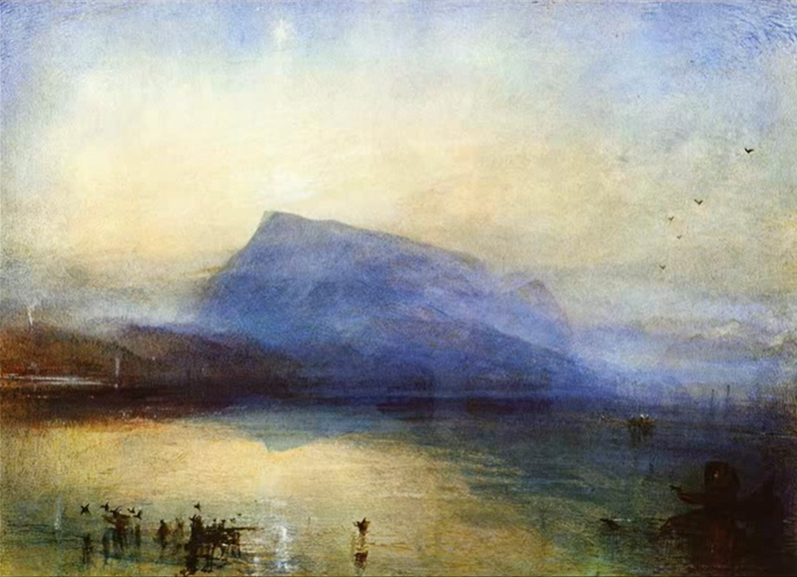
Originally composed for the annual Rhijnhof Midsummernight Concert series on the Rhijnhof Cemetry in Leiden, Holland.
Prelude #2 “Westwijk Panorama” (2012)
Prelude #2 “Westwijk Panorama” for Upright Piano was composed in 2012 and approximately 3 minutes long.
Prelude #1 “Perpetuum Mobile” (2012)
Prelude #1 “Perpetuum Mobile” for Upright Piano was composed in 2012 and approximately 6 minutes long.
Un Po ‘Di Musica der Violino Solo (2012)
Un Po ‘Di Musica der Violino Solo was commissioned by Dick de Graaff back in 2012. It is an etude for the violin and is approximately 3 minutes and 20 seconds.
Bicyclette (2012)

This piece was commissioned by the TenToon Ensemble back in 2010. It’s approx. 6 minutes long. “Bicyclette” is the french word for bicycle, though it is nowadays less commonly used.
In Volare (2011)
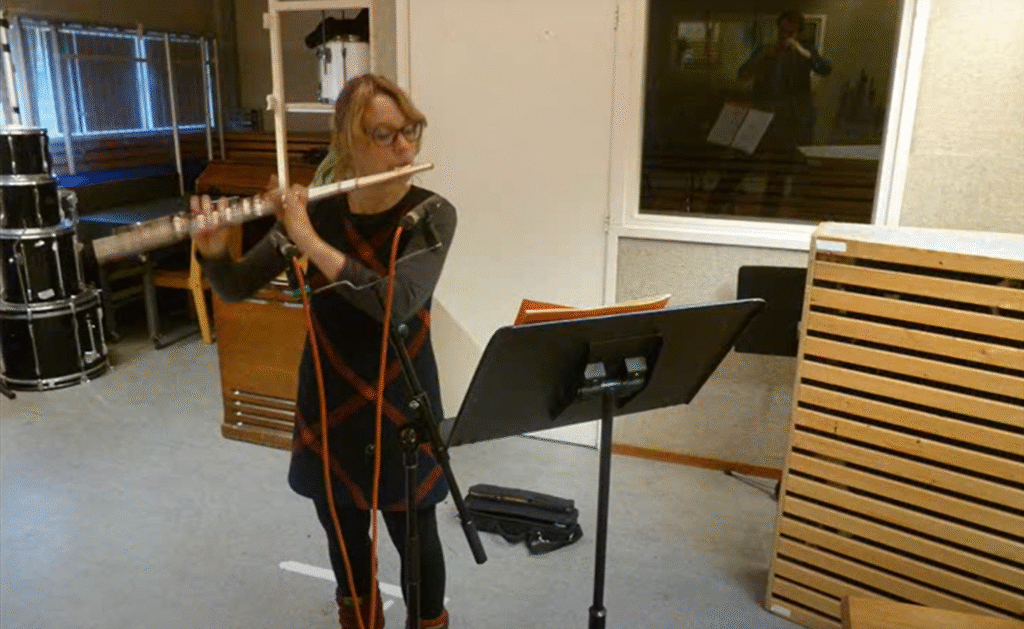
This short virtuose sketch for flute, In Volare, is approximately 1 minute 20 seconds long and was performed by Janneke Groesz back in 2011.
Vivamente (2011)

Vivamente is a grand musical fireworks spectacle, in which different themes move around, spin, and explode. It’s as if a snapshot is taken of a large bonfire, where everything snaps and crackles until nothing remains but a smoldering heap of ash and charred wood.
Monument (2011)
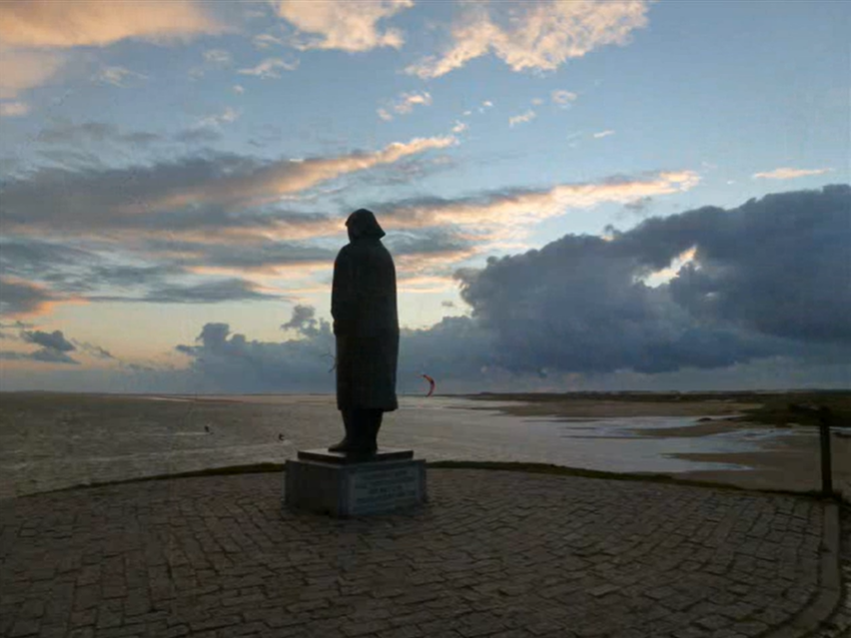
Monument is a piece about a statue, standing on a pier on Terschelling, one of the isles in the Waddenzee. This statue is meant for all the sailors from the island who died on sea. The statue is a woman, waiting for her husband to return from the sea, but standing there for more than a hundred years. Feelings of loneliness, salty sea wind, storm waves, thoughts crossing one’s mind, those are represented in the piece. The first voice is the woman herself, the second voice is her echo, starting a duet, and finally becomes the thoughts behind the words. At the end the second voice remains and vanishes in the air. This all is being accompanied and commented by the wind (French Horn) and the sea (Percussion).
Layers for Orchestra (2010-2011)
The symphonic sketch Layers for Orchestra was composed in late 2010-2011. It was later performed during my Bachelor Graduation Concert in 2014 by The Hague Chamber Philharmonic.
Vowels (2011)
Vowels was commissioned by Daniel Salbert in 2011. The piece is for double choir (SATB/satb); featuring scat, beatbox, scary solo’s and more… It’s 5 min 30 s to 6 min long.
Modern Times (2010)
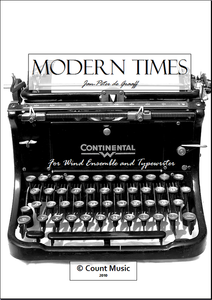
Modern Times describes todays consumer culture, where one theme is replaced by another until all instruments push in on each other in chaos, and nothing remains of the original plan. Yet the typewriter, with its steady rhythm, manages to endure.
Tangetto (2010)
Tangetto for violin, alto saxophone, piano and percussion was composed back in 2010 for the School Art Exhibition. It’s duration is approx. 4 minutes.
Layers (2010)
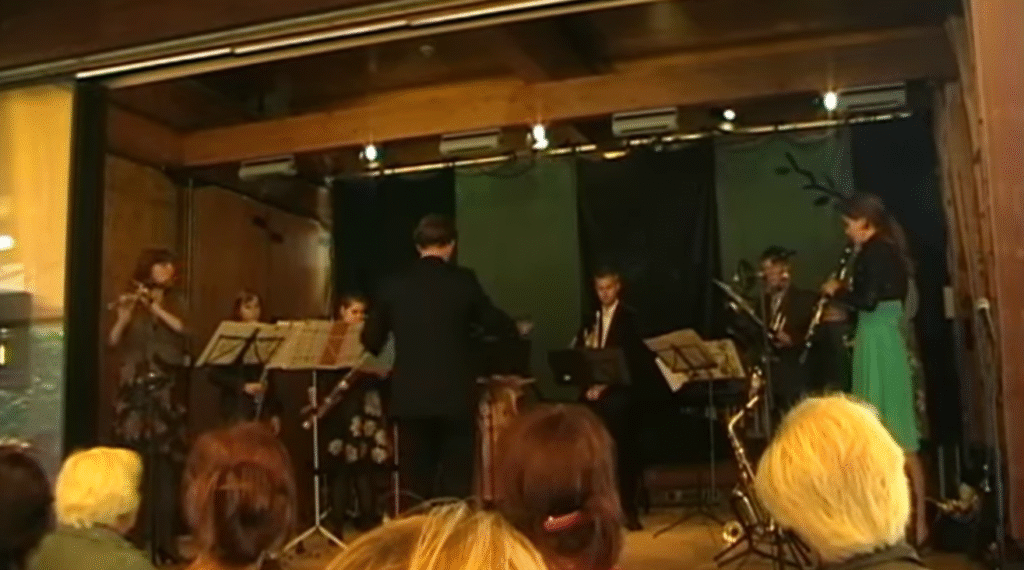
Layers was commissioned by the Wind Ensemble of Codarts Conservatory to be played on the Amsterdam Canal Festival in 2010. It’s written for 10 musicians and is 5 minutes and 30 seconds long.
Sia Nia (2010)
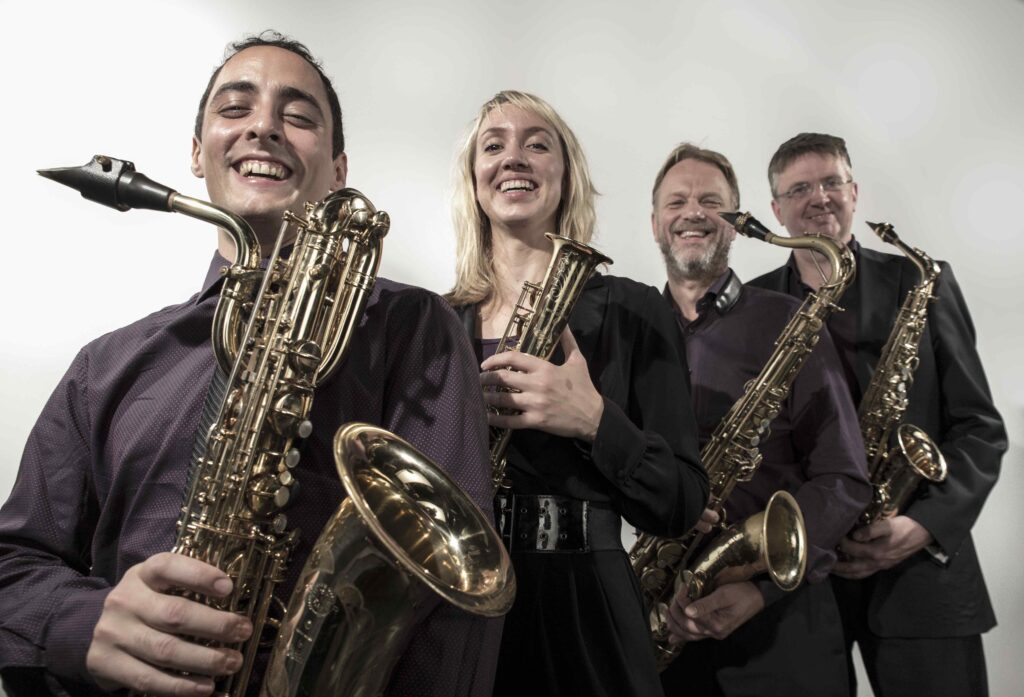
The word “SIA NIA” is a literal (vertical) inversion of the word “VINVIS” (Dutch for “blue whale”). I composed this piece after reading an article in National Geographic, a magazine about nature and science. The article described the migration of the blue whale—the largest animal on Earth—from the polar seas to the breeding grounds off the coast of Mexico. The grandeur, the power, and above all the grace of this immense creature inspired me so deeply that I immediately thought of the instruments best suited to convey this warmth, elegance, and dignity: the saxophones.
Nr. 3 (2009)
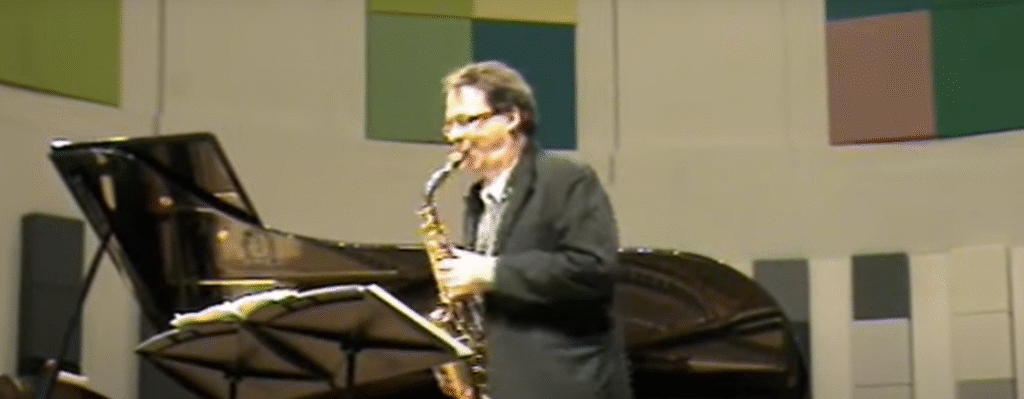
NR. 3 is a solo composition for alto saxophone that’s made for Johan van der Linden. It’s a short piece (1 min 30 s) that was played by Johan van der Linden back in February 2009.
De Oorsprong (2008)
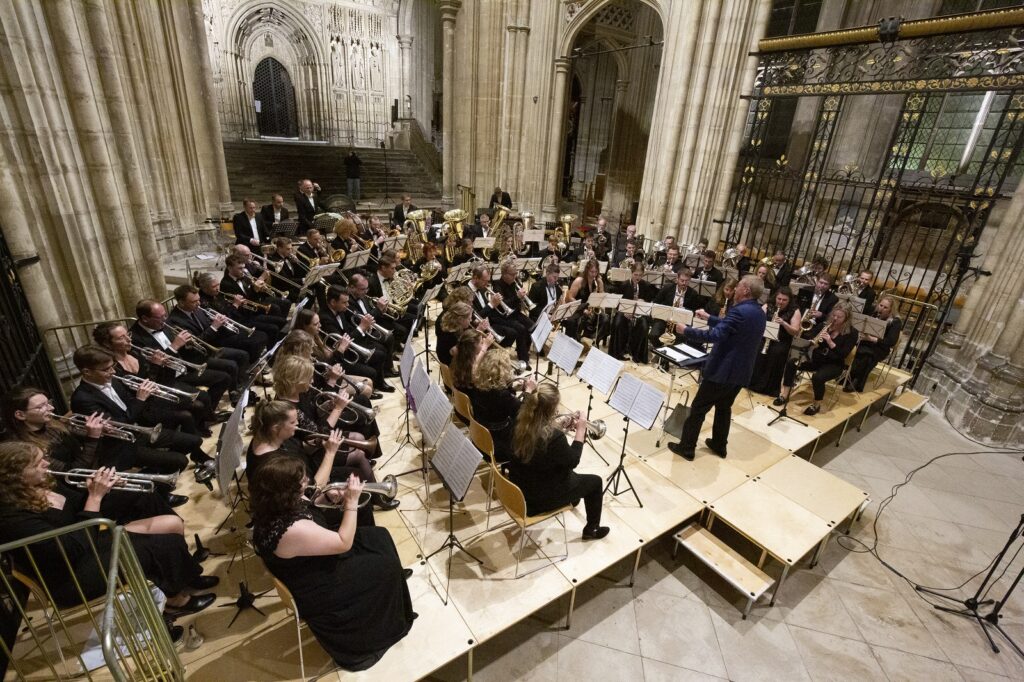
De Oorsprong is a symphonic sketch composed for the Frisian Fanfare Orchestra. This approx. 20 minutes long piece was written back in 2008.