
Battleground (2025)
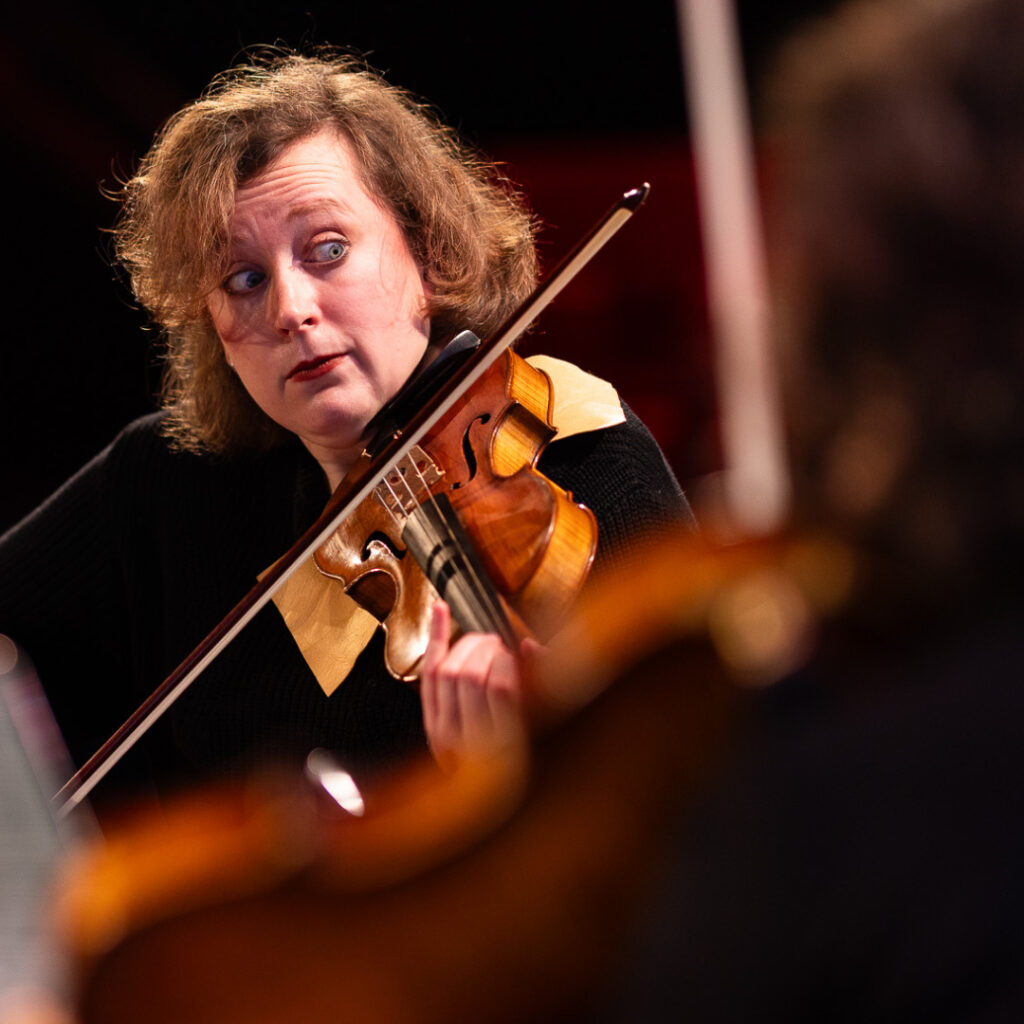
‘Battleground’ was part of the project ‘Een flat met 1000 ramen’ created for the String Quartet Biennal of 2025 in Amsterdam. In this project involved 6 composers who had been commissioned to compose a contemporary answer to Joseph Haydns six quartets, Opus 20, in combination with a narrative written by Joke van Leeuwen.
Enivrez-Vous! (2022)
Enivrez-Vous ! (Get drunk!) leans its title from the poem with the same name by Charles Baudelaire. In four movements this piece describes different forms of being drunk, both in metaphorical as in literal sense.
Fanfarelle (2022)
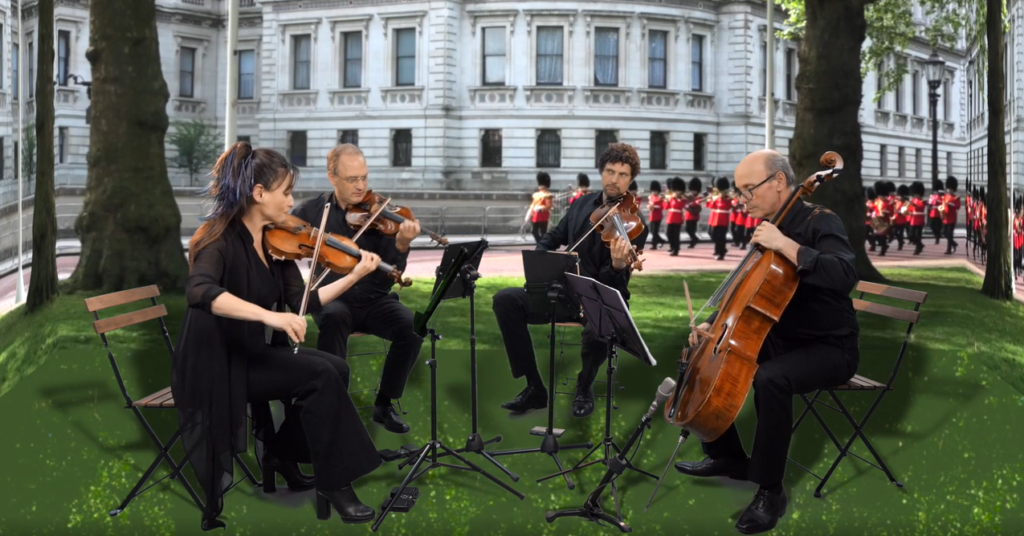
The Ruysdael Quartet commissioned 25 composers, offering them a carte blanche to explore various themes, including Ruysdael and motifs like space and stars. The resulting works represent a broad spectrum of styles, ranging from minimal music and lyricism to microtonality, jazz, and world music.
Hammer und Tanz (2022)
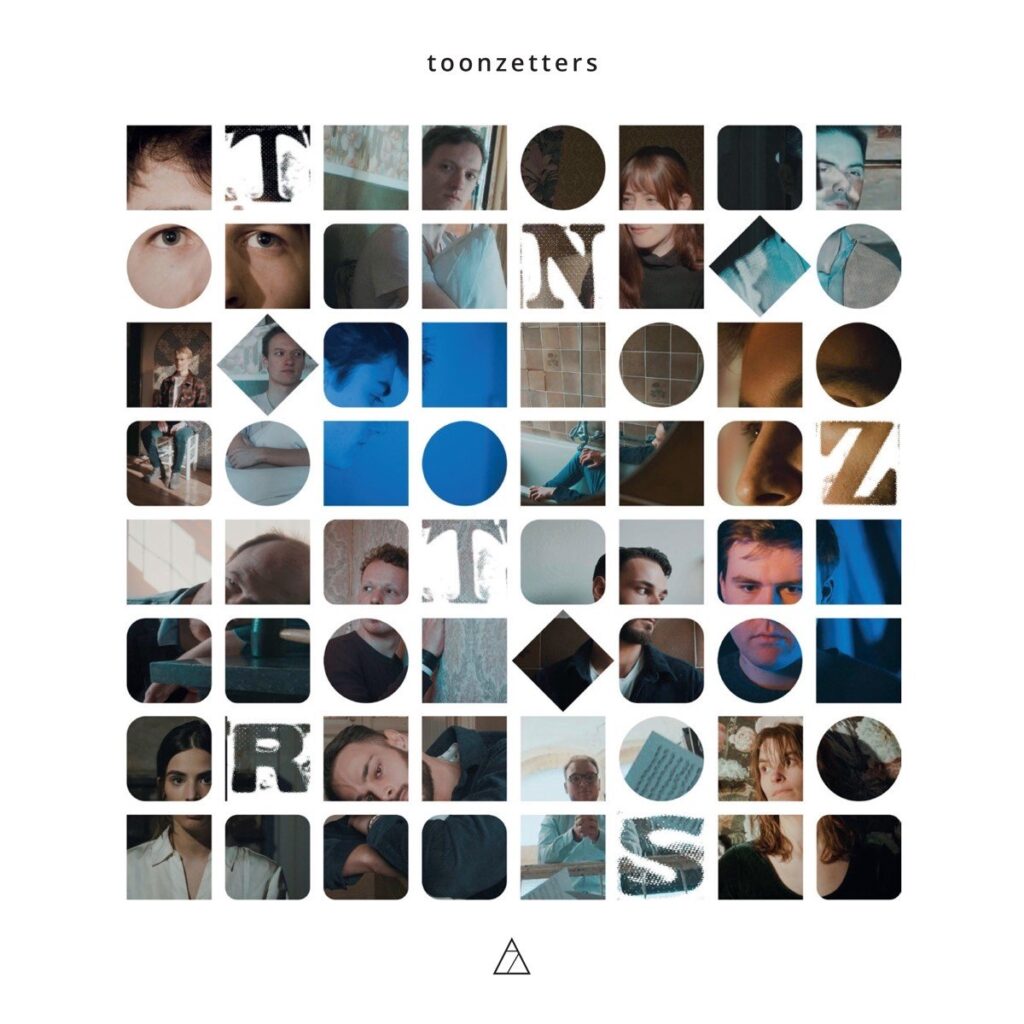
Hammer und Tanz was composed in 2022 as part of the ‘Toonzetters’ project of Primo-Ish-Hurwitz, performed by Agostinho Sequiera, Shane van Neerden, Arjan Jongsma and Ramon van Engelenhoven
Oranges and Lemons (2018, ARR. 2021)
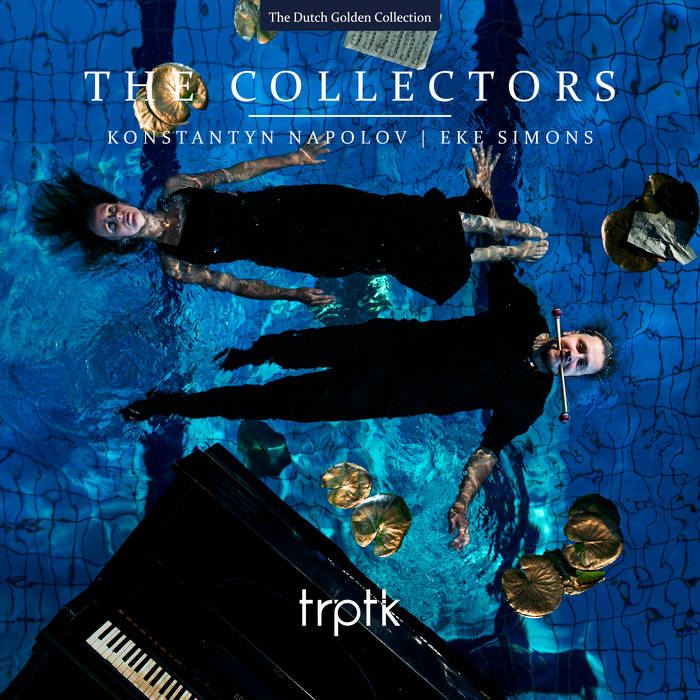
The rhyme “Oranges and Lemons” plays an important role in George Orwell’s novel 1984. In the book, the rhyme symbolizes the idea that freedom in a totalitarian society may be just another form of oppression, where hope is a terrible illusion.
Concerto No. 4 “Rimpelingen” (2017. ARR. 2020)
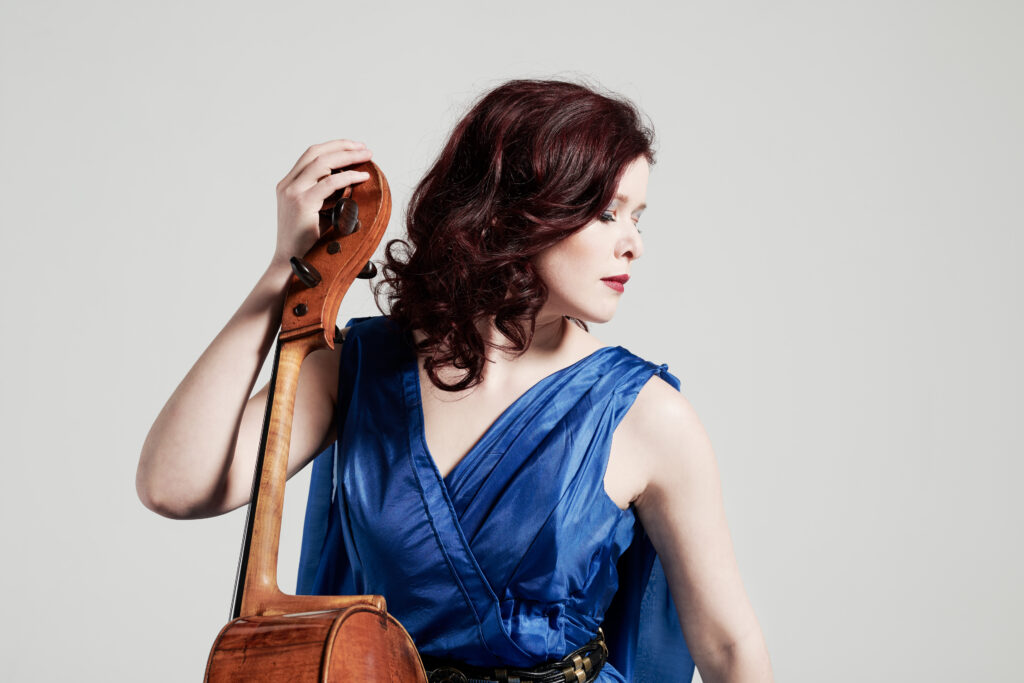
Rimpelingen was inspired by pebbles crunching on the water: This arrangement was made for cello and piano by Rick van Veldhuizen in 2020.
Pascal (2020)
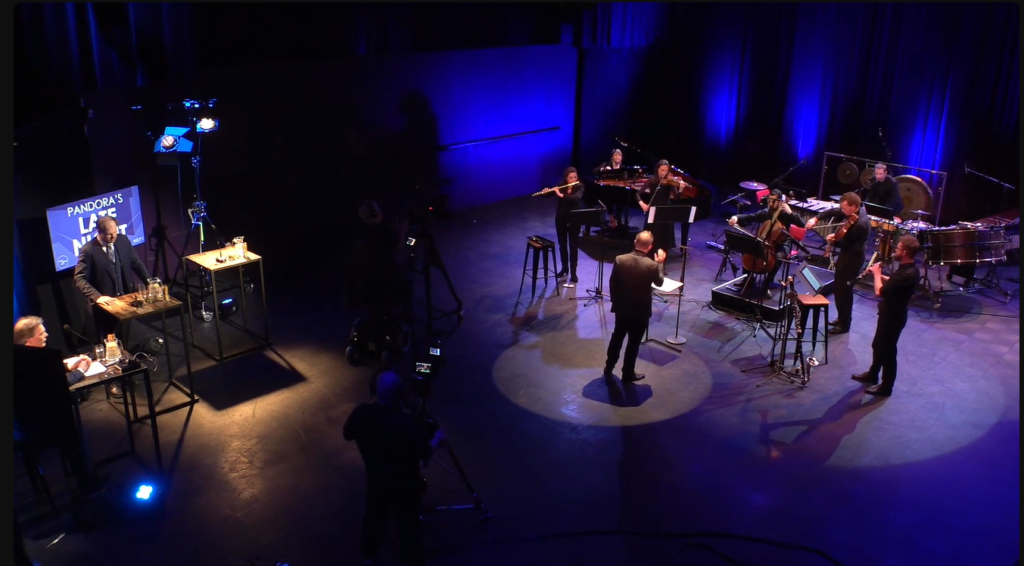
Pascal is inspired by the movement of air (and thereby the creation of wind) from high to low pressure, according to the law of Buys-Ballot (Pascal is the metric unit for measuring Air Pressure).
Point of No Return (2019)

Commissioned by But What About, Point of No Return is a 9-minute piece for Accordion, Clarinet, Percussion and Double Bass. It was performed at the concert “Pendeltrap” on January 16th, 2020, in Club9, TivoliVredenburg, Utrecht (NL).
Meccanica (2019)
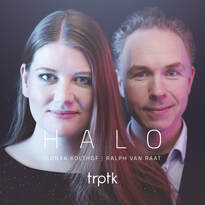
Meccanica is inspired by both the kinetic sculptures of Jean Tinguely as the ‘Strandbeesten’ by Dutch artist Theo Jansen. The piccolo and the piano are intertwined in a musical game of transferring ‘musical kinetic’ energy, from ‘linear’ to ‘circular’ rhythmic and melodic movements.
Variations (2018)
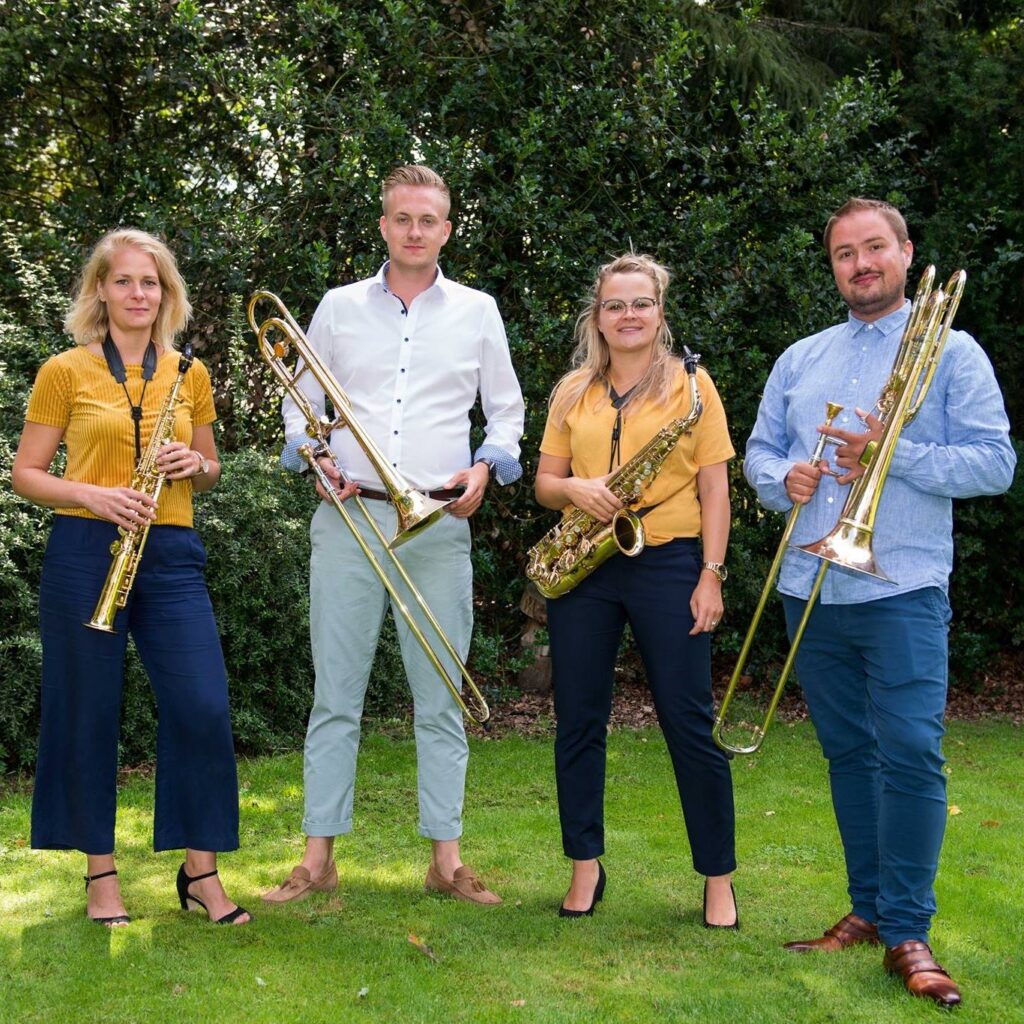
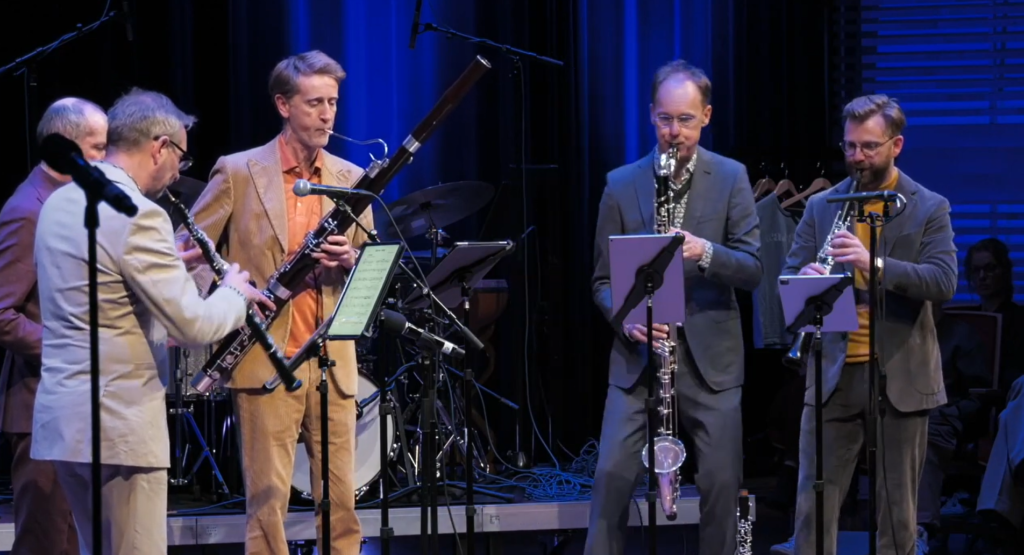
Variations was written for Wind Quartet and Jazz Trio and commissioned and performed by Ensemble Mescolare. It consists of four movements: Furious, Slow, Fanfare and Finale.
The Bells of St. Clements (2018)
The rhyme “Oranges and Lemons” plays an important role in George Orwell’s novel 1984. In the book, the rhyme symbolizes the idea that freedom in a totalitarian society may be just another form of oppression, where hope is a terrible illusion.
Right (2017)
Right was written for Soprano Saxophone, Alto Saxophone, Trombone and Bass Trombone. It was commissioned and played by Ensemble Mescolare in March 2017.
Reeks en Progressie (2016)
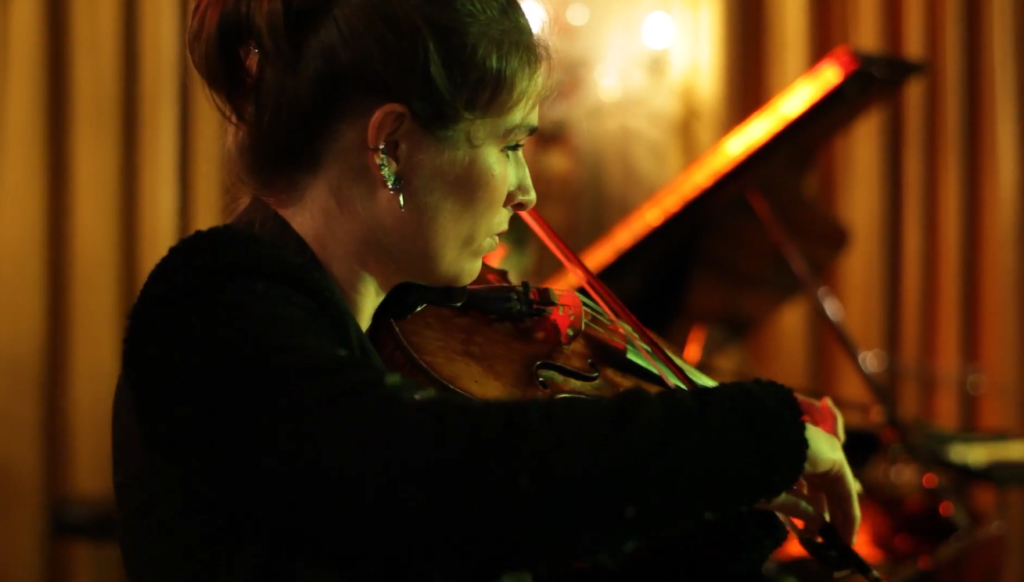
Reeks en Progressie was written for Kluster5 for the anniversary of the neighborhood Marlot in The Hague. It was commissioned by Muziek@Marlot with financial support from The Hague Municipality. It was performed at Kluster5’s season opening concert in the ‘royal’ society De Vereniging in the Hague in September 2018.
Left… (2014)
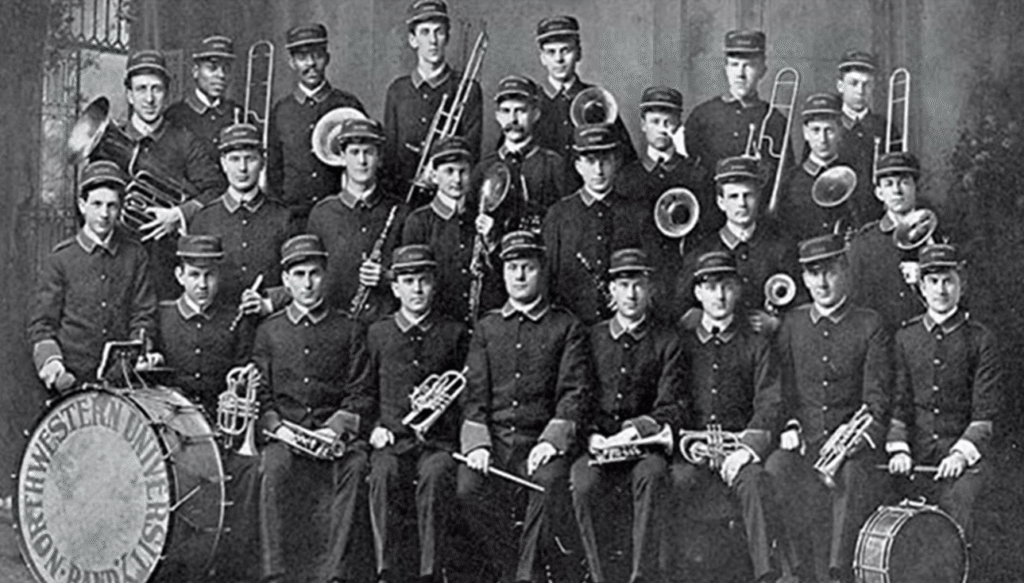
This composition depicts the Werdegang of a march—a genre built on a persistent rhythm that is repeated many times, around which the other musical components move. In the first episode (the entire work consists of several episodes that seamlessly flow into one another), this rhythm is most clearly heard, and the surrounding sound is enriched by two additional quartets that, according to the composer, function as a Fernorchester (distant orchestra).
Montrez-Moi (2013)
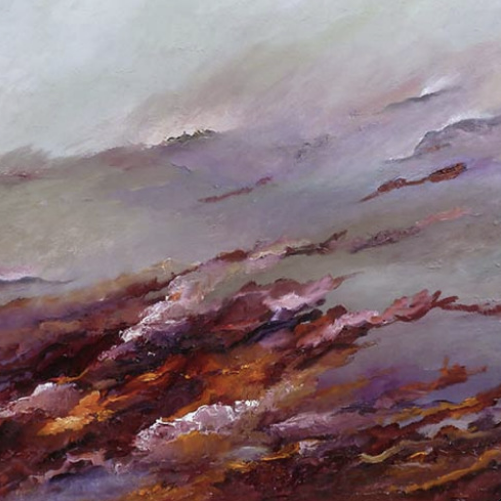
Montrez-moi is based on a poem by Koos Tiemersma (Froon Acker). This piece was written for tenor and violoncello and commissioned by Rudmer de Vries.
For3 (2012-2013)
For3 is a three-movement Trio for Clarinet, Trombone and Double Bass that was composed for the Chamber Music Festival in The Hague.Every movement deals with the untraditional combination of these instruments.
Stage (2012)
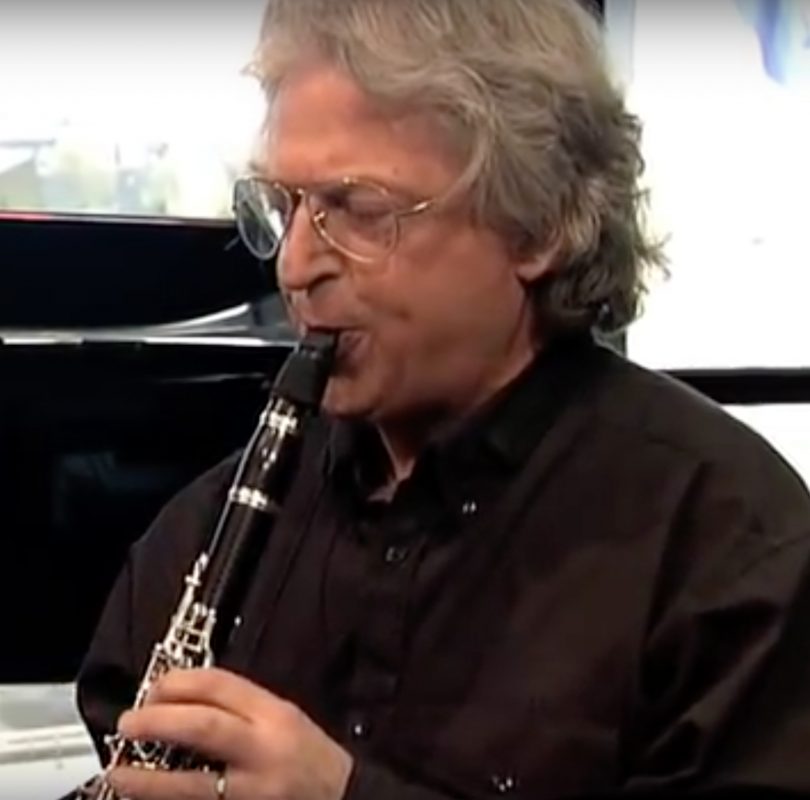
Stage is a piece for two clarinets written for the Meester/Gezel Concert series in Nijmegen, Leiden, Utrecht and Den Haag. It was commissioned by Pierre Woudenberg and is played by two clarinets.
Westwijk Panorama (2012)
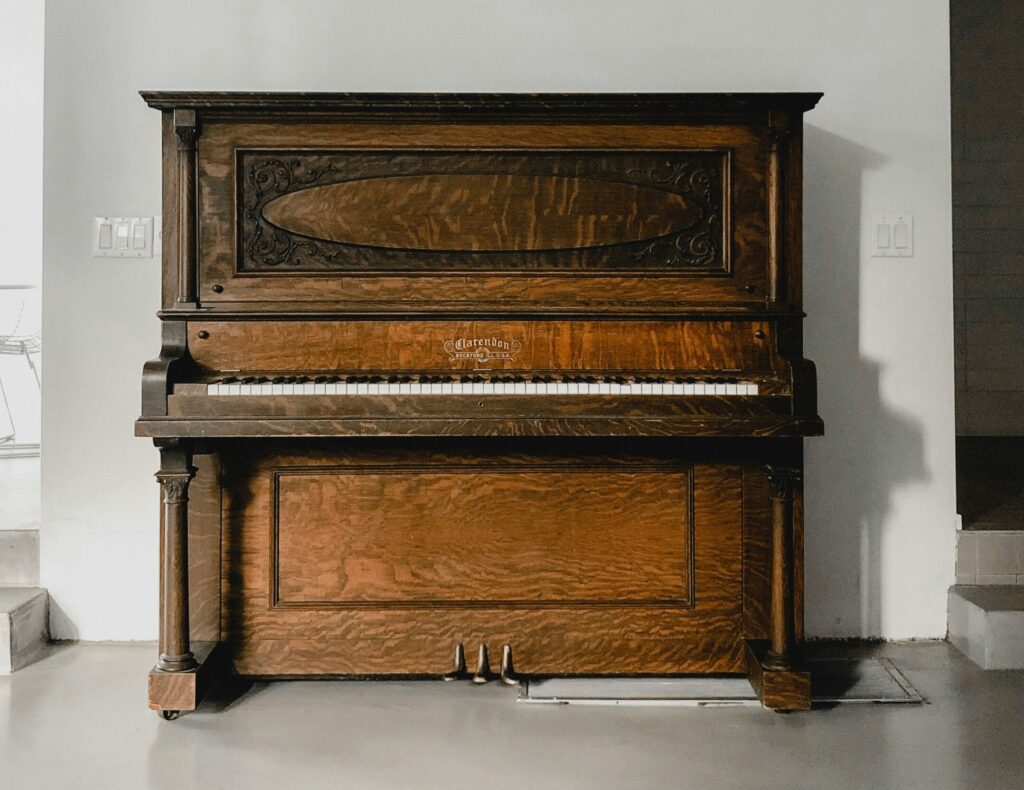
Westwijk Panorama is the chamber edition of Prelude #2 “Westwijk Panorama”. It can be played with clarinet, violin and piano and was commissioned by Denise van Leeuwen.
(O)pinions (2012)
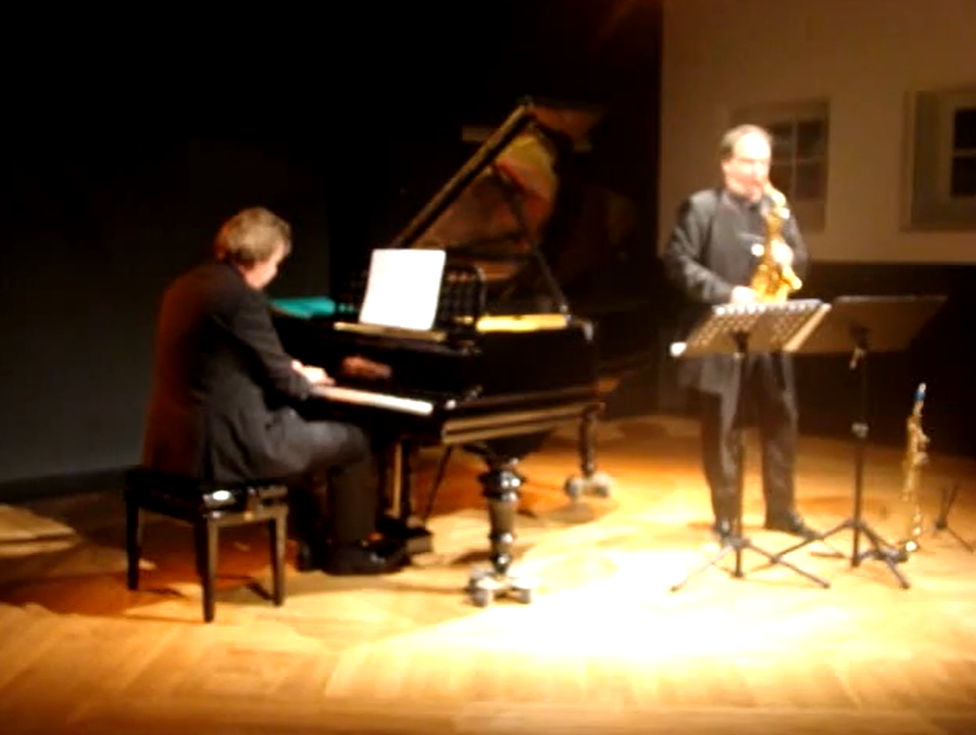
This sonatine was written for the first Henk Alkema Composition Contest back in 2012. It was performed by Duo Lind ‘n Kelder with saxophone and piano, but the saxophone part can be played by either soprano saxophone, clarinet or tenor saxophone.
Aumento (2012)
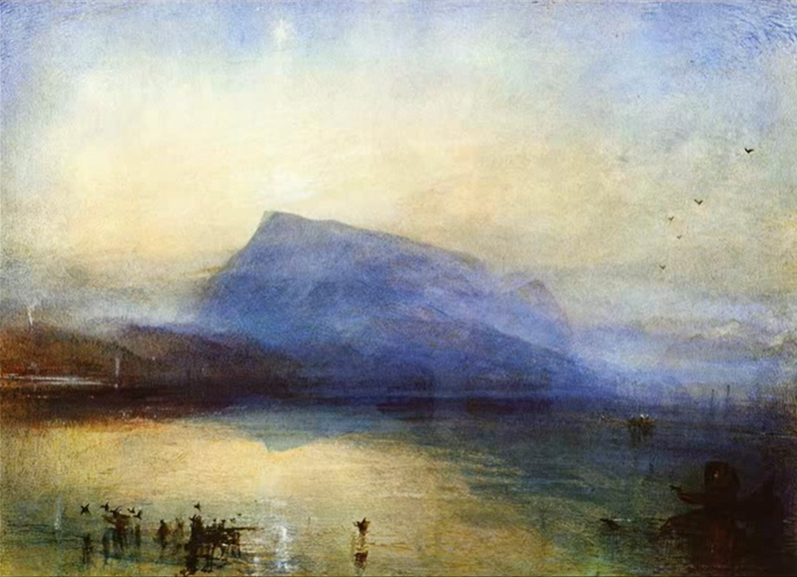
Originally composed for the annual Rhijnhof Midsummernight Concert series on the Rhijnhof Cemetry in Leiden, Holland.
Vivamente (2011)

Vivamente is a grand musical fireworks spectacle, in which different themes move around, spin, and explode. It’s as if a snapshot is taken of a large bonfire, where everything snaps and crackles until nothing remains but a smoldering heap of ash and charred wood.
Monument (2011)
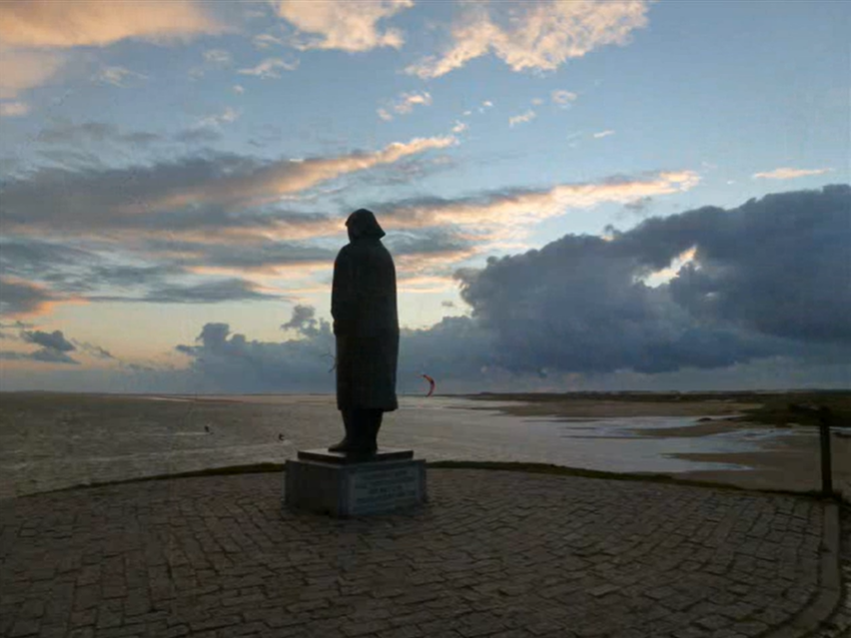
Monument is a piece about a statue, standing on a pier on Terschelling, one of the isles in the Waddenzee. This statue is meant for all the sailors from the island who died on sea. The statue is a woman, waiting for her husband to return from the sea, but standing there for more than a hundred years. Feelings of loneliness, salty sea wind, storm waves, thoughts crossing one’s mind, those are represented in the piece. The first voice is the woman herself, the second voice is her echo, starting a duet, and finally becomes the thoughts behind the words. At the end the second voice remains and vanishes in the air. This all is being accompanied and commented by the wind (French Horn) and the sea (Percussion).
Tangetto (2010)
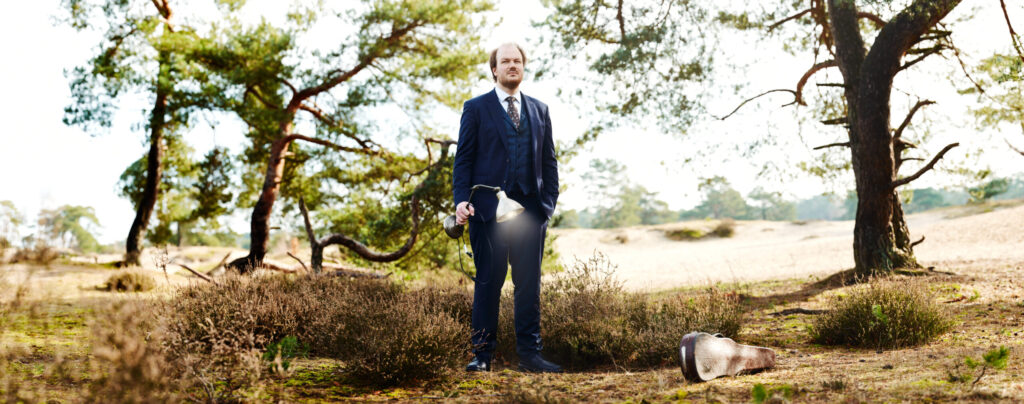
Tangetto for violin, alto saxophone, piano and percussion was composed back in 2010 for the School Art Exhibition. It’s duration is approx. 4 minutes.
Sia Nia (2010)
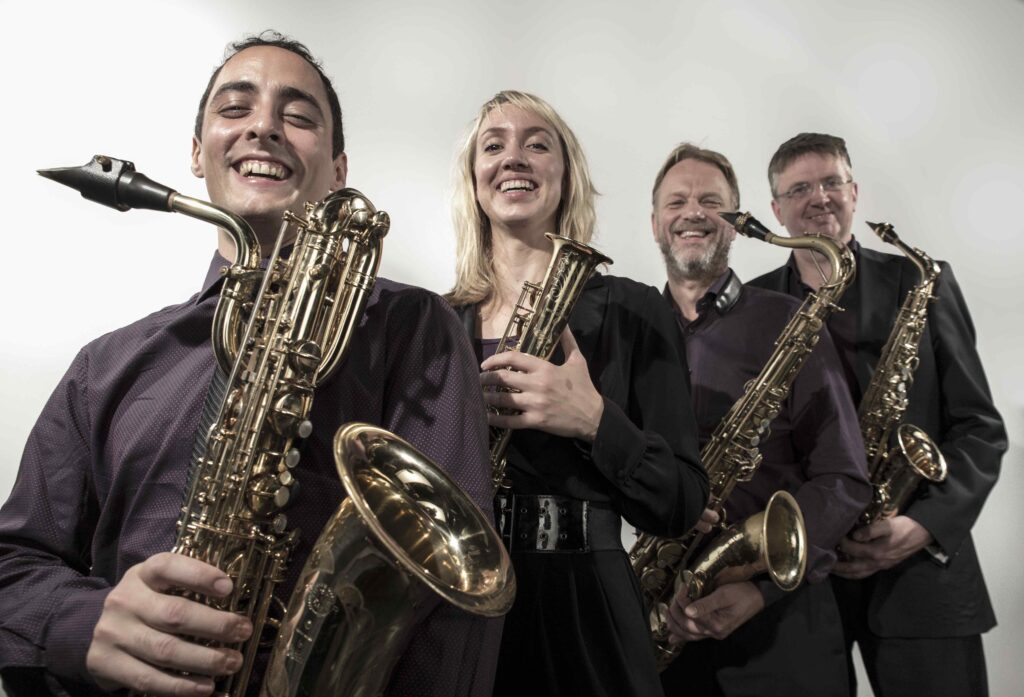
The word “SIA NIA” is a literal (vertical) inversion of the word “VINVIS” (Dutch for “blue whale”). I composed this piece after reading an article in National Geographic, a magazine about nature and science. The article described the migration of the blue whale—the largest animal on Earth—from the polar seas to the breeding grounds off the coast of Mexico. The grandeur, the power, and above all the grace of this immense creature inspired me so deeply that I immediately thought of the instruments best suited to convey this warmth, elegance, and dignity: the saxophones.